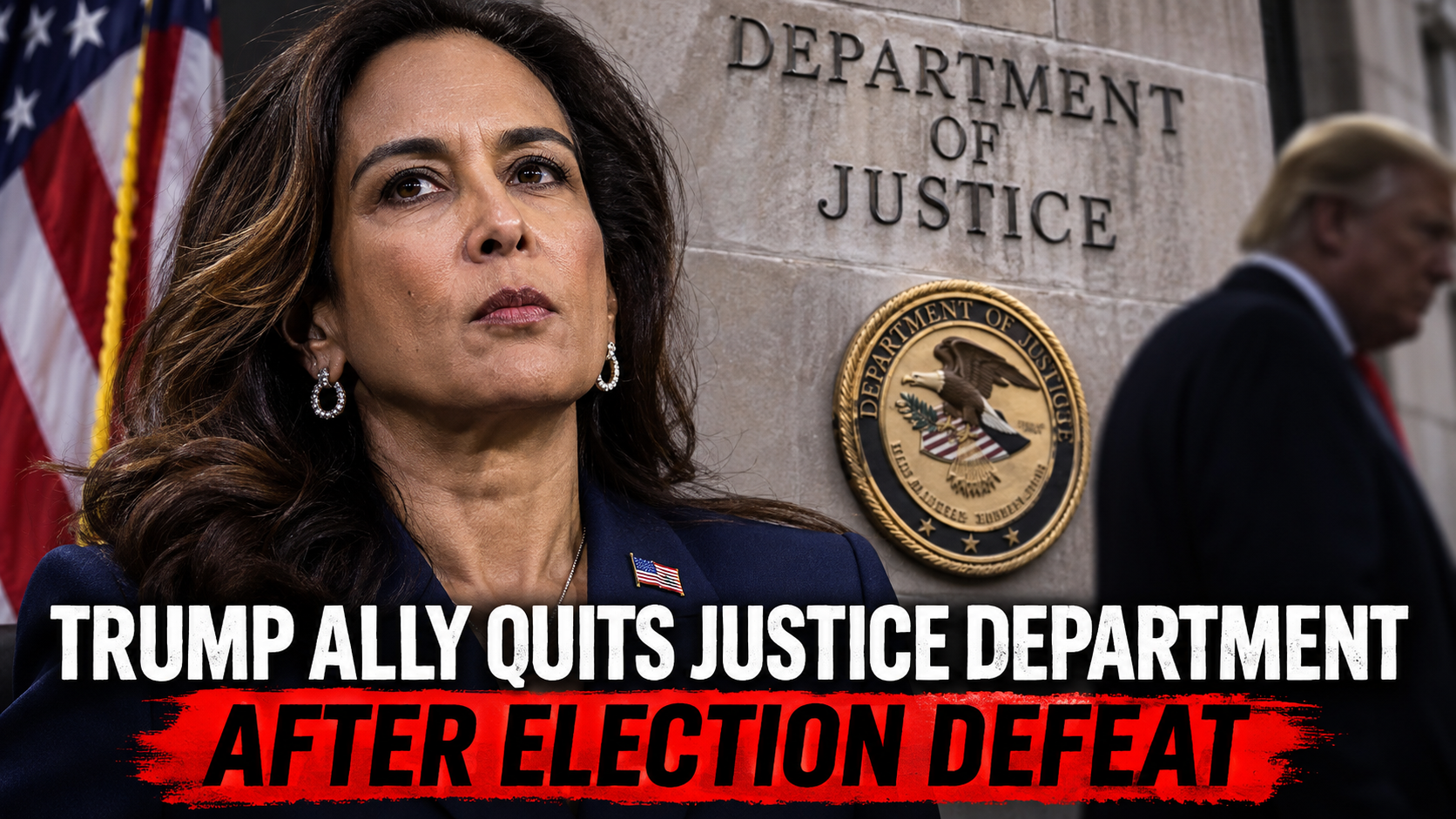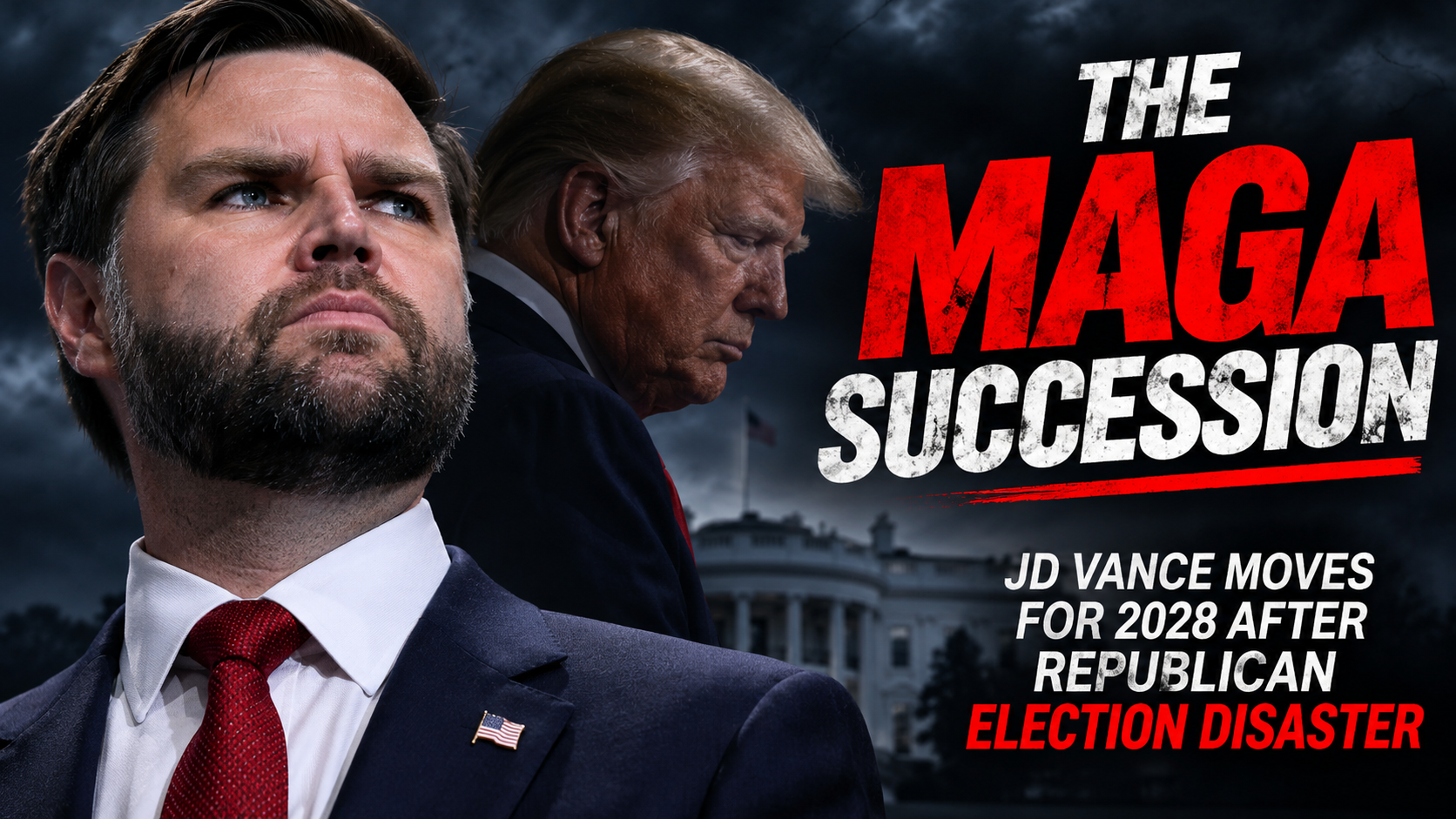
JD Vance faces questions about Trump's political legacy and the Republican Party's future after the 2026 midterm defeat.
WASHINGTON — The Republican Party has suffered a devastating political defeat. Now, with Donald Trump’s final two years in office approaching, Vice President JD Vance appears to be preparing for something much bigger than defending the administration.
He may be preparing to inherit what remains of Trump’s political movement.
Following the Democrats’ sweeping victory in the 2026 midterm elections, Vance has begun emphasizing his own political priorities, raising uncomfortable questions about the future of MAGA and whether Trump’s most loyal supporters are preparing to move beyond their president.
According to Reuters, Vance is increasingly emphasizing economic nationalism, public safety and a more restrained American foreign policy while placing less emphasis on Trump himself.
The timing is difficult to ignore.
The Iran War Has Become a Political Reckoning
For years, Trump promised an America First foreign policy. But the administration’s war with Iran has exposed deep divisions within the Republican coalition.
🔴 Help keep this independent voice alive and uncensored.
Support independent journalism and help keep Real Raw News going.
👉 Support Chris Wick on GoFundMe
Following the election, Vance publicly identified the Iran war as a major reason Republicans lost control of Congress.
His post-election message called for ending the conflict quickly, confronting rising living costs and reconsidering America’s relationships abroad, including its relationship with Israel.
That last point could prove particularly explosive.
Support for Israel has long been influential within Republican foreign policy circles. But growing frustration among anti-interventionist conservatives has created a political opening for leaders willing to question Washington’s existing commitments.
Vance appears determined to occupy that space.
The question is whether voters will believe him.
Can Vance Escape the Administration He Helped Lead?
There is one rather inconvenient problem with Vance’s emerging political identity.
He is not an outsider.
He is the sitting vice president of the administration whose policies are now facing intense criticism.
Although Vance reportedly expressed private reservations about the Iran war, he also publicly defended the administration’s military campaign.
That contradiction could become a serious obstacle if he seeks the Republican presidential nomination in 2028.
Criticizing the consequences of a war is one thing. Explaining why you remained part of the administration pursuing it is something entirely different.
And voters may demand more than carefully constructed political messaging.
The Battle for MAGA’s Future Has Already Begun
Vance has not formally announced a presidential campaign. Nor has Trump publicly designated him as his successor.
Other Republican figures, including Secretary of State Marco Rubio, could emerge as competitors.
Meanwhile, Vance’s own midterm campaigning failed to prevent Republican defeats in several states where he appeared.
That raises another uncomfortable question: Can the vice president successfully lead a political movement that just suffered a major rejection at the ballot box?
The answer may depend on whether Americans see Vance as a genuine alternative or simply a more polished representative of the same political establishment.
His emphasis on affordability and foreign-policy restraint could resonate with disillusioned conservatives. But campaign promises will mean little without evidence of actual policy changes.
Final Thought: Is This About America First or Vance First?
Washington has a remarkable talent for turning political disasters into career opportunities.
Republicans lose Congress. Voters express anger over war and economic hardship. And almost immediately, the conversation shifts toward who might occupy the White House in 2028.
Perhaps Vance genuinely believes the Republican Party needs a different direction.
Perhaps he recognizes that the political winds are changing.
But Americans deserve an answer to a much more important question.
If the policies were wrong enough to cost Republicans Congress, why should voters trust the same political leadership to fix them?
And if America First is finally going to mean something, shouldn’t Americans see the results before being asked to elect another president?
Sources
- Reuters — After midterm rout, Vance tries to build his own 2028 brand
- Axios — Vance takes a step toward 2028 in MAGA power play
- Associated Press — The 2028 election season begins as both parties navigate midterm fallout
About the Author