Strong economic growth has failed to ease Americans' concerns about inflation and the rising cost of living.
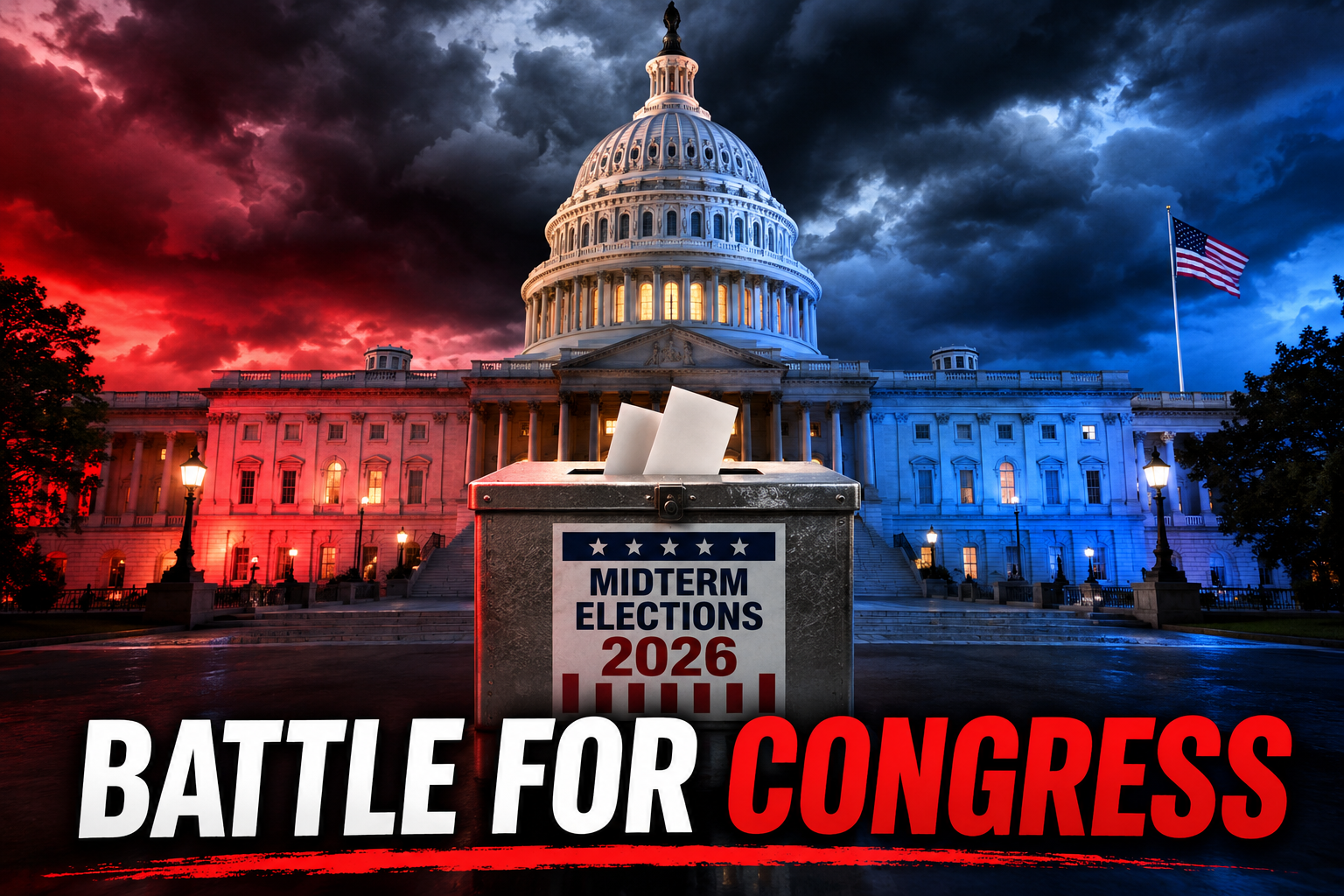
America’s economy is growing, Wall Street has enjoyed record highs, and unemployment remains relatively low. Yet millions of Americans are heading into the November 3 midterm elections with one unmistakable message: something is seriously wrong.
The disconnect between Washington’s economic optimism and the financial reality facing ordinary households has become one of the defining political problems of 2026.
President Donald Trump and his administration point to economic growth, employment figures, and investment as evidence that their policies are working.
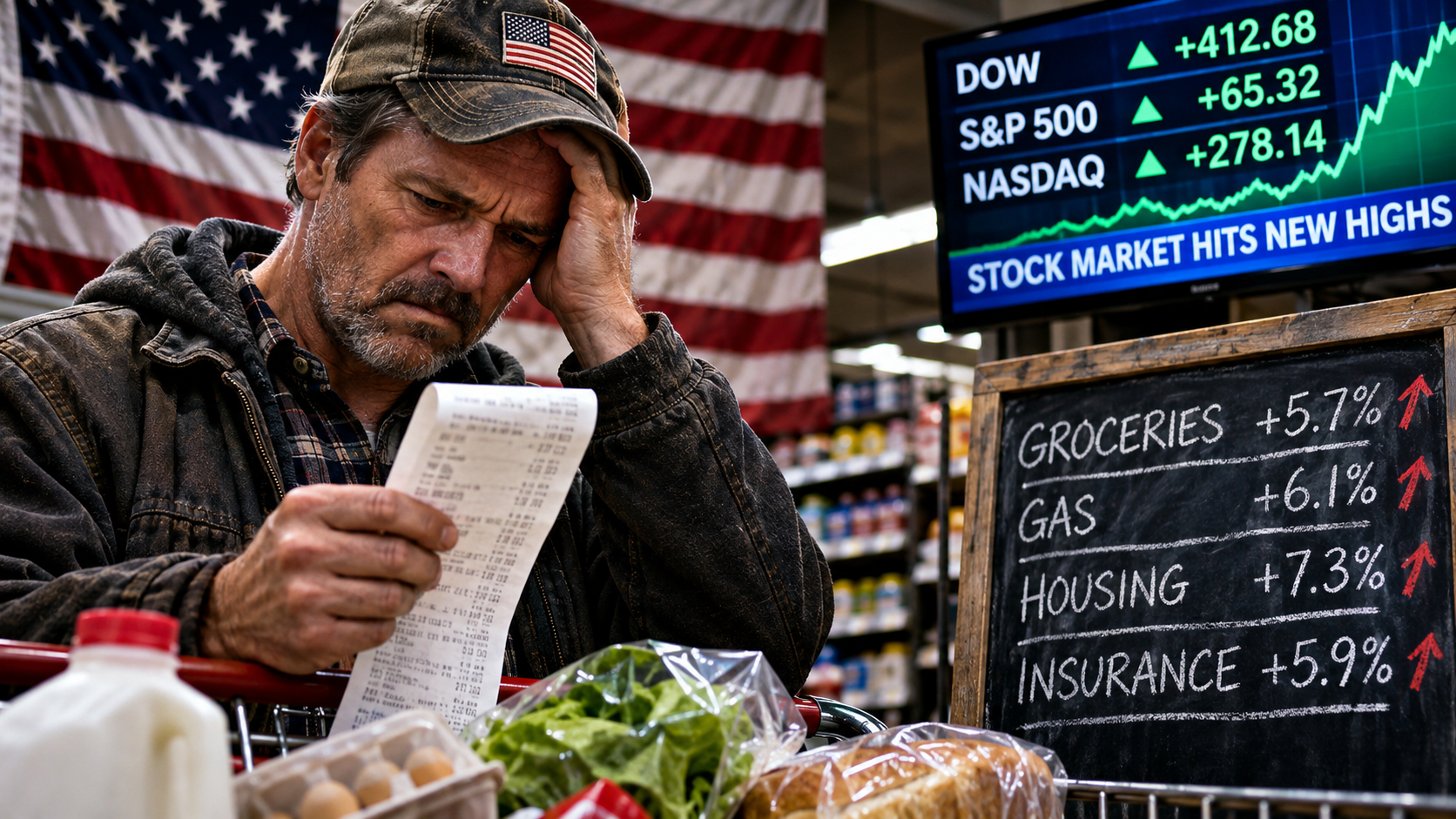
But voters cannot pay their grocery bills with stock market records.
And economic statistics offer little comfort when housing, gasoline, insurance, and everyday necessities continue swallowing larger portions of household budgets.
The Numbers Washington Wants Americans to See
According to Reuters, the American economy expanded at an annualized rate of 3.4% during the latest reported quarter.
🔴 Help keep this independent voice alive and uncensored.
Support independent journalism and help keep Real Raw News going.
👉 Support Chris Wick on GoFundMe
Unemployment stood at 4.2% in September, while business investment continued benefiting from enormous spending on artificial intelligence.
Those figures suggest an economy that remains remarkably resilient.
But economic growth does not automatically translate into financial security for everyone.
Higher-income households with substantial stock investments have benefited disproportionately from rising markets.
Meanwhile, families without significant investments remain more exposed to rising living expenses.
That distinction matters when politicians attempt to present national economic performance as proof of widespread prosperity.
Inflation Is Still Punishing American Households
Inflation has slowed from its earlier peaks, but that does not mean prices have returned to previous levels.
Americans continue paying elevated prices for many necessities.
Reuters reported that consumer prices and average hourly earnings have both increased approximately 5.5% since Trump returned to office in January 2025.
In practical terms, average purchasing power has made little progress over that period.
For families already struggling financially, standing still can feel remarkably similar to falling behind.
The continuing conflict involving Iran has also contributed to higher global energy prices, increasing pressure on consumers.
Tariffs, borrowing costs, and slowing wage growth have complicated the picture further.
And with 30-year mortgage rates exceeding 7%, homeownership has become increasingly difficult for many prospective buyers.
A Dangerous Political Disconnect
The University of Michigan’s consumer sentiment index registered 48.0 in October, near its historical low.
That figure tells a different story from the upbeat economic indicators frequently highlighted by political leaders.
Americans may recognize that businesses are expanding and employment remains relatively strong.
But their judgment of the economy is also shaped by what remains in their bank accounts after paying monthly expenses.
This creates a serious political vulnerability for Republicans defending their congressional majorities.
Trump is not personally on the November 3 ballot, but his economic record is central to the election.
Democrats hope voter frustration will translate into congressional gains.
However, blaming the administration is easier than demonstrating how an alternative government would meaningfully reduce household costs.
Neither party should receive a free pass on affordability.
The Artificial Intelligence Wild Card
Another potential weakness lies beneath America’s impressive growth figures.
Artificial intelligence investment has helped fuel corporate spending, stock market gains, and economic expansion.
But economists warn that a significant slowdown in AI investment could weaken growth while inflation remains elevated.
That combination would create an especially difficult environment for policymakers.
A booming technology sector cannot indefinitely compensate for deteriorating affordability across the broader economy.
Final Thought: Americans Cannot Live on Economic Statistics
The approaching midterm elections are exposing an uncomfortable truth about American politics.
A country can report impressive economic growth while millions of its citizens remain deeply dissatisfied with their financial circumstances.
Both realities can exist simultaneously.
Politicians may celebrate employment numbers, investment announcements, and Wall Street performance.
But voters ultimately measure prosperity through something far more personal: whether their lives are becoming easier or harder to afford.
If America’s economy is performing so well, why do so many Americans feel they are getting nowhere?
That is the question Washington must answer long after the election results are counted.
Sources
- Reuters — US Voters in a Sour Economic Mood Heading Into Midterm Elections
- The National — US Economy Under Donald Trump in Five Charts
About the Author