Canada-U.S. Trade Talks Enter a Critical New Phase
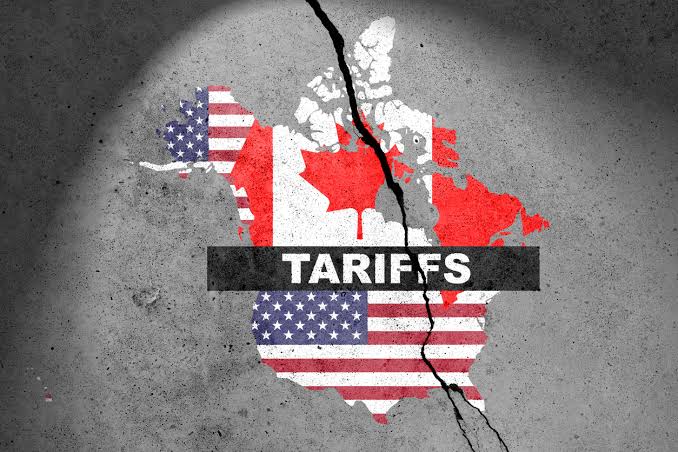
Canada and the United States are entering another tense stage in their economic relationship, with Ottawa expressing dissatisfaction over the latest American proposal to reduce tariffs as negotiators race toward an August 19 deadline.
The latest development has placed Canadian trade policy back at the centre of attention, with businesses, workers and consumers watching closely to see whether the two countries can reach an agreement before additional American tariffs take effect.
According to reporting published Wednesday, Canadian officials are unhappy with the latest U.S. offer. The proposal would reduce some tariffs, but Canadian negotiators are seeking significantly greater relief in exchange for concessions on issues Washington has raised.
The negotiations are taking place in Washington as both governments attempt to protect their economic interests while preventing the dispute from escalating further.
Why the August 19 Deadline Matters
The looming August 19 tariff deadline is important because President Donald Trump has threatened to impose additional tariffs on Canadian goods if an agreement is not reached.
🔴 Help keep this independent voice alive and uncensored.
Support independent journalism and help keep Real Raw News going.
👉 Support Chris Wick on GoFundMe
That deadline creates pressure on both negotiating teams.
Canada wants to secure better access to the American market and reduce the tariff burden already affecting Canadian exporters. The United States, meanwhile, is demanding changes involving what Washington describes as discriminatory Canadian practices affecting American products.
The negotiations therefore extend beyond a simple disagreement over tariff percentages.
They involve broader questions about how Canada and the United States conduct trade with one another and how much economic leverage each government is prepared to use.
Canada Is Seeking More Relief From U.S. Tariffs
Canadian officials are reportedly seeking greater tariff relief than the United States has offered so far.
The latest American proposal would lower some tariffs, but Ottawa considers the offer insufficient.
That gap between the two positions could make the final days before the deadline particularly important.
For Canadian companies that depend heavily on American customers, uncertainty over future tariff rates can make it more difficult to plan investments, pricing, hiring and production.
Businesses operating on both sides of the border also face the possibility that changing tariff rules could alter supply chains that have developed over decades.
Why the Canadian Economy Is So Closely Connected to the United States
Canada and the United States maintain one of the world’s most interconnected trading relationships.
Canadian manufacturers routinely rely on American markets, while American companies depend on Canadian energy, raw materials, manufactured goods and other products.
That integration means tariffs can have consequences beyond the companies directly paying them.
A tariff imposed on a product crossing the border can increase costs for manufacturers, distributors and retailers. Depending on the product and how companies respond, some of those costs can eventually reach consumers.
This is why the current negotiations are being watched closely across Canada.
The consequences of a prolonged trade dispute could extend well beyond government offices in Ottawa and Washington.
Automobiles, Alcohol and Dairy Are Among the Issues
Washington has demanded that Canada address what the Trump administration characterizes as discriminatory treatment of American goods.
The dispute includes sectors such as automobiles, alcohol and dairy products, according to current reporting on the negotiations.
Each of these industries has its own complicated regulatory and political history.
Canada’s dairy sector, for example, operates under a supply-management system that has long been a politically sensitive issue in Canadian trade negotiations.
Automobiles are equally important because vehicle manufacturing in Canada is deeply integrated with American production.
A vehicle may cross the Canada-U.S. border multiple times during the manufacturing process as components move between plants.
That makes the automobile industry particularly vulnerable to tariff changes.
Canadian Businesses Are Watching Closely
For Canadian businesses, one of the biggest problems is uncertainty.
Companies can adapt to a known tariff environment more easily than they can respond to constantly changing rules.
A manufacturer deciding whether to expand production may need to know whether its products will face additional costs when exported to the United States.
An importer may need to determine whether a product will become more expensive.
A retailer may need to decide whether increased costs can be absorbed or must be passed on to customers.
These decisions become more difficult when negotiations remain unresolved.
The approaching deadline therefore matters even before any new tariff officially takes effect.
Could Consumers Feel the Impact?
The effect on Canadian consumers will depend heavily on which products ultimately face tariffs and how businesses respond.
Not every tariff automatically translates into an equivalent price increase at the checkout counter.
Businesses may absorb some costs, renegotiate with suppliers, change sourcing arrangements or reduce margins.
However, prolonged tariff disputes can create additional pressure throughout supply chains.
For consumers already dealing with elevated household expenses, even relatively small increases across multiple categories can become significant over time.
This is one reason trade negotiations often receive far more public attention than their technical language might suggest.
Canada Has Strong Incentives to Reach an Agreement
Despite the political differences, both countries have substantial reasons to avoid an uncontrolled escalation.
The Canadian economy benefits enormously from access to the American market.
The United States also benefits from Canadian resources, manufacturing capacity and integrated supply chains.
Energy is particularly important.
Canadian exports form an important component of the North American energy system, while American industries depend on reliable supplies of Canadian resources.
The economic relationship is therefore not simply one-sided.
Both countries have leverage, but both also have much to lose if the relationship deteriorates significantly.
Negotiators Face Pressure From Both Governments
Trade negotiations are rarely conducted in a vacuum.
Political leaders must consider domestic industries, workers, consumers and voters while simultaneously attempting to secure favourable international agreements.
That can make compromise politically difficult.
A Canadian government that agrees to major American demands could face criticism at home.
An American administration that accepts too many Canadian concessions could face criticism from its own political supporters.
As a result, negotiators may have limited room to manoeuvre.
The final agreement, if one is reached, could therefore involve compromises that neither side initially wanted but both ultimately consider preferable to a deeper trade conflict.
What Happens Next?
The immediate focus is the August 19 deadline.
Canadian and American officials still have an opportunity to reach an agreement before additional tariff measures take effect.
The latest U.S. offer suggests that negotiations have progressed, but Canada’s dissatisfaction indicates that major differences remain.
That means the coming days could be critical.
Businesses will be watching for concrete details rather than political statements.
Investors will be monitoring the potential economic consequences.
Consumers will want to know whether the dispute could eventually affect prices.
And governments on both sides of the border will be under increasing pressure to demonstrate that they can protect domestic interests without causing unnecessary economic damage.
A Bigger Question for North American Trade
The current dispute represents something larger than one round of tariff negotiations.
It raises questions about the future of Canada-U.S. economic relations.
For decades, businesses on both sides of the border have built their operations around relatively predictable access to one another’s markets.
If tariffs and trade restrictions become a more permanent feature of North American commerce, companies may begin reconsidering where they manufacture products, where they purchase materials and where they invest.
That could gradually reshape supply chains throughout the continent.
For Canada, the dispute also reinforces the importance of diversifying international trade.
Greater access to European, Asian and other global markets could reduce Canada’s dependence on the United States over the long term.
However, replacing the scale and proximity of the American market would be extremely difficult.
The Countdown Is Underway
With the August 19 deadline approaching, Canada and the United States are entering a decisive period.
Ottawa wants greater tariff relief than Washington has currently offered, while the Trump administration continues to push Canada for concessions involving American products.
The two countries remain deeply economically connected, making the outcome important for companies and consumers far beyond the negotiating rooms.
For Canadians, the immediate question is simple: Will Ottawa and Washington reach a deal before the next tariff deadline arrives?
The answer could have consequences for Canadian exporters, American businesses, North American supply chains and potentially household prices.
For now, negotiations continue.
But with the deadline only days away, the pressure on both sides is increasing rapidly.
About the Author