The Strait of Hormuz was supposed to be the center of a possible diplomatic breakthrough. Instead, the negotiations are becoming another battlefield.
Iran says reopening the vital waterway depends on concessions from Washington. President Donald Trump has now answered with a demand of his own: Iran should pay compensation for deaths and damage linked to wars, attacks and protests. The escalation could make an already fragile deal even harder to reach.
Reuters reported that Iran and Oman had been working toward an agreement establishing new shipping lanes through the Strait of Hormuz, with Tehran saying the talks were nearing a final stage.
But the biggest obstacle may now be what each side believes it must receive before the waterway can fully reopen.
Iran’s conditions
Iran has said it wants compensation, an end to U.S. sanctions and an end to military threats before reopening the strategic waterway.
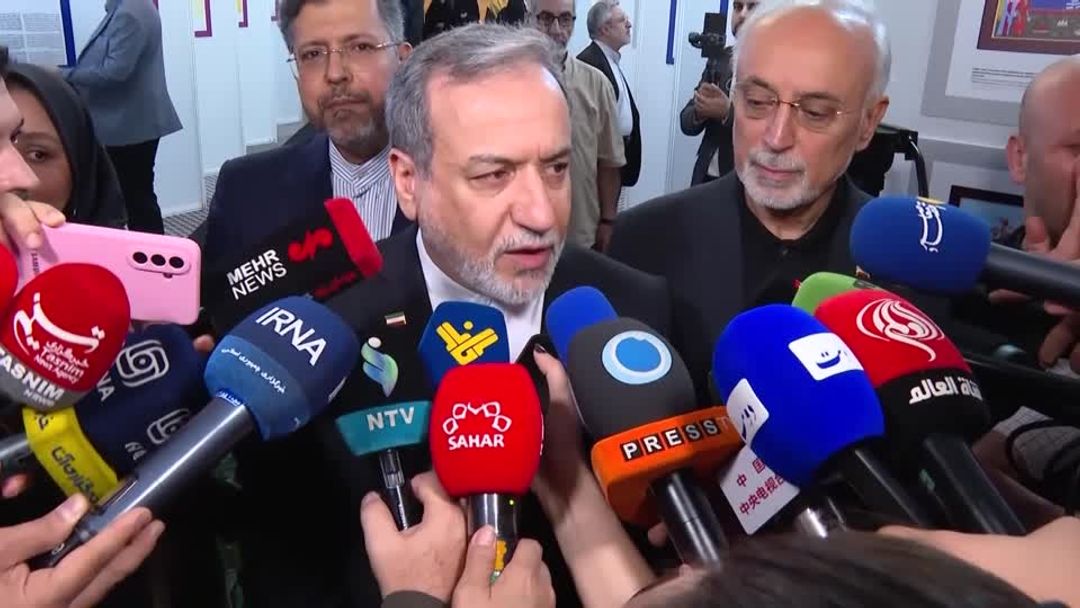
Tehran’s position is tied to the broader conflict and the damage caused during the fighting. Iranian Foreign Ministry spokesman Esmaeil Baghaei said discussions with Oman were progressing and that an agreement had been reached on a map for a shipping route, although technical issues remained.
🔴 Help keep this independent voice alive and uncensored.
Support independent journalism and help keep Real Raw News going.
👉 Support Chris Wick on GoFundMe
Those discussions also reportedly covered maritime services, including safe navigation, environmental protection and efforts to combat crime.
There is a major sticking point, however.
U.S. officials have repeatedly rejected any arrangement that would allow Iran to charge fees for access through the strait.
Trump raises the stakes
Trump’s response has introduced another demand that had not previously been part of the negotiations.
He said Iran should pay for damage and deaths associated with wars, attacks and protests over a much longer period.
Trump also said Iran should compensate the families of 17 U.S. sailors killed in the 2000 attack on the USS Cole in Yemen.
Reuters noted that the attack was attributed to al Qaeda, not Iran.
Trump also called for Iran to be responsible for damage and deaths involving Lebanon, Syria, Yemen and Gaza.
The result is a diplomatic exchange in which both sides are effectively presenting their own bill.
And that makes reopening Hormuz much more complicated.
Why the Strait matters so much
The Strait of Hormuz is not simply another shipping route.
Before the conflict, roughly one-fifth of the world’s oil and liquefied natural gas moved through the waterway.
Its effective closure has already contributed to higher oil prices and inflation, putting pressure on consumers far beyond the Middle East.
That makes the negotiations about much more than Iran and the United States.
Every additional day of uncertainty can have consequences for energy markets, transportation costs and household budgets around the world.
Oil prices settled 5% higher on Monday as hopes for a deal weakened.
A war that refuses to end
The latest diplomatic dispute comes after months of military escalation and shifting signals from Washington.
Since the war began in February, Trump has alternated between warnings of further escalation and statements suggesting that peace could be close.
The United States and Iran reached a ceasefire in June, but Washington later reimposed a blockade on Iranian shipping in July. Tehran said that move violated the truce.
Iran has continued striking U.S. allies in the region with missiles and drones while also targeting commercial ships attempting to pass through the strait without its permission.
Meanwhile, U.S. military efforts, including a two-week campaign of strikes in July, have not ended Iran’s ability to influence access through the waterway.
That reality is increasingly difficult to separate from the diplomacy.
The political pressure is growing
Trump is also facing pressure at home to bring the conflict to an end.
The war is unpopular, according to the Reuters report, while high fuel prices are particularly important in rural areas that have traditionally supported Trump.
That creates a difficult political equation.
Washington wants leverage.
Tehran wants concessions.
And the global economy wants the Strait of Hormuz open.
The emerging agreement with Oman could potentially give Iran more influence over the strategic waterway than it had before the war, adding another layer of complexity to the negotiations.
For now, however, the two governments appear to be moving in opposite directions.
Iran is demanding compensation and an end to sanctions and military threats.
Trump is demanding compensation from Iran.
The question is no longer simply whether the Strait of Hormuz can reopen.
It is whether Washington and Tehran can agree on who has to give something up first.
Source
About the Author