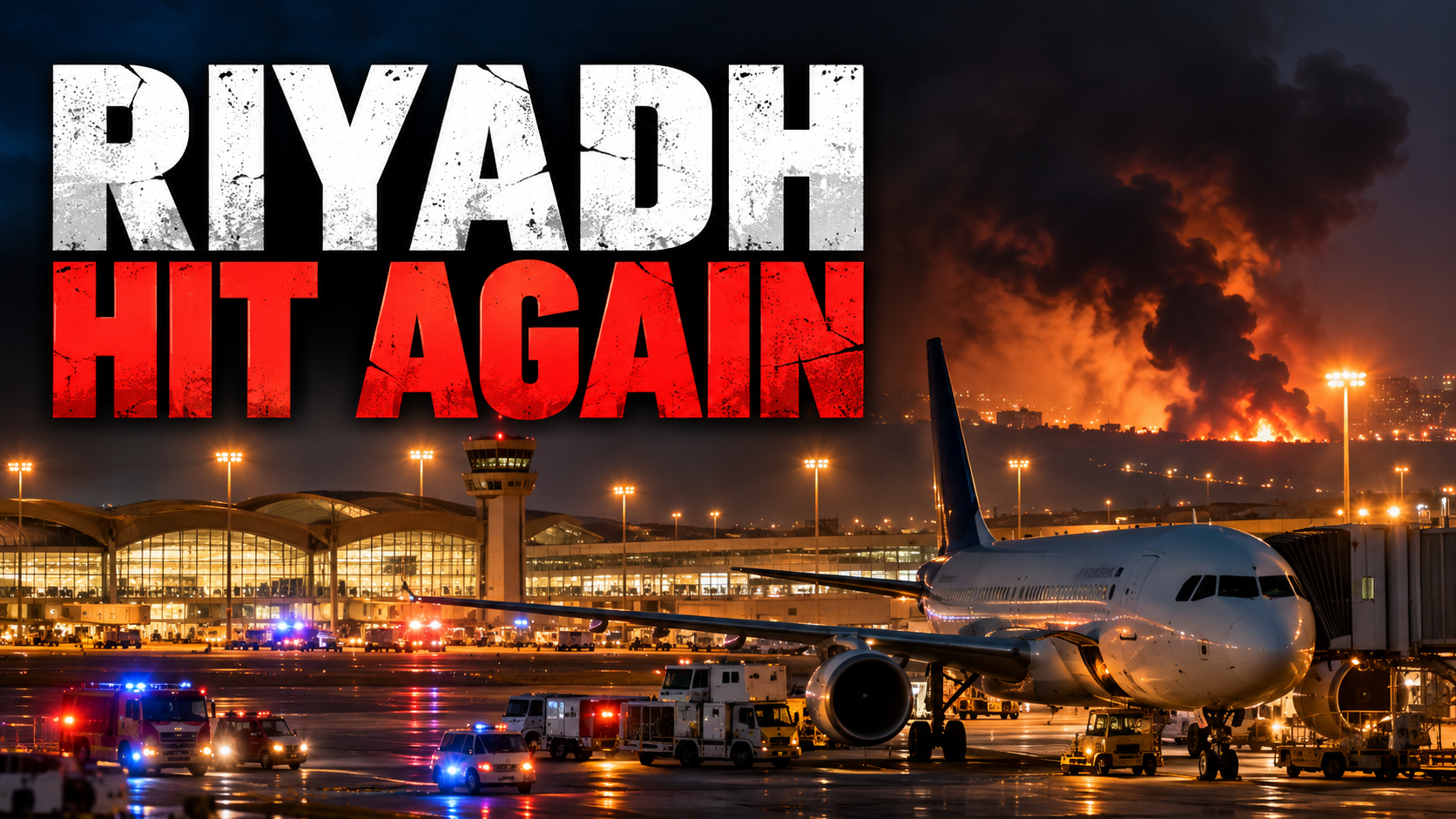
The uneasy calm between Washington and Tehran has shattered again.
A series of attacks on commercial vessels passing through the Strait of Hormuz has triggered a new wave of U.S. military action against Iran, raising fears that a conflict already threatening global energy markets could spiral into a wider confrontation.
According to the original Reuters report, U.S. Central Command said American forces launched strikes after Iran was accused of attacking three commercial vessels traveling through the strategically important waterway:
https://www.reuters.com/world/iran-war-live-us-military-resumes-strikes-iran-after-attacks-hormuz-strait-2026-07-07/
The strikes mark another dramatic breakdown in what had been described as a fragile ceasefire. Instead of creating stability, the latest escalation has exposed how quickly tensions in the region can reignite.
Strait of Hormuz Becomes the Center of a Growing Crisis
The Strait of Hormuz has once again become the flashpoint at the center of the confrontation.
The narrow waterway is one of the world’s most important shipping routes, carrying a significant portion of global energy supplies. Any disruption there immediately creates international concern over oil prices, shipping security, and economic stability.
🔴 Help keep this independent voice alive and uncensored.
Support independent journalism and help keep Real Raw News going.
👉 Support Chris Wick on GoFundMe
The U.S. military said the strikes were designed to impose costs on Iran after attacks on commercial shipping. U.S. officials described the actions as a response to what they called dangerous aggression against civilian maritime traffic.
Iran, however, has rejected Washington’s accusations and warned that it would respond, setting the stage for another cycle of retaliation.
The danger now is not only the exchange of missiles or military strikes. It is the possibility that each side miscalculates and creates a conflict neither government can easily control.
Military Pressure Expands as Diplomacy Weakens
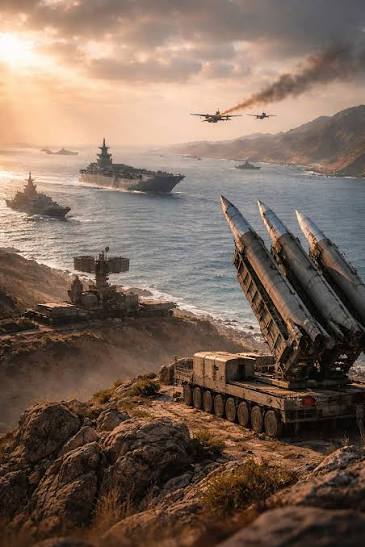
The latest strikes reportedly targeted military-related infrastructure, including air defense systems, command networks, radar facilities, and anti-ship capabilities.
Washington has argued that allowing attacks on international shipping to continue would create a larger threat to regional security.
But the timing highlights a deeper problem: diplomacy appears increasingly fragile.
A ceasefire agreement can only survive if both sides believe the other side is following the terms. The renewed violence suggests that trust between Washington and Tehran remains extremely limited.
The situation has also increased uncertainty for global markets. Oil prices moved higher as traders reacted to fears that continued fighting could threaten energy exports through the Gulf region.
A Conflict With Global Consequences
The latest escalation is being watched far beyond the Middle East.
Countries that rely heavily on energy imports are monitoring developments closely, while shipping companies face renewed concerns about operating in one of the world’s busiest maritime corridors.
The question now is whether these strikes remain a limited response or become the beginning of a broader military campaign.
For civilians, businesses, and governments around the world, the stakes are enormous. A conflict centered around the Strait of Hormuz does not remain a regional issue for long.
Every missile launch, every damaged vessel, and every retaliatory statement adds another layer of uncertainty.
The coming days may determine whether this is a temporary flare-up — or the next phase of a much larger confrontation.
About the Author