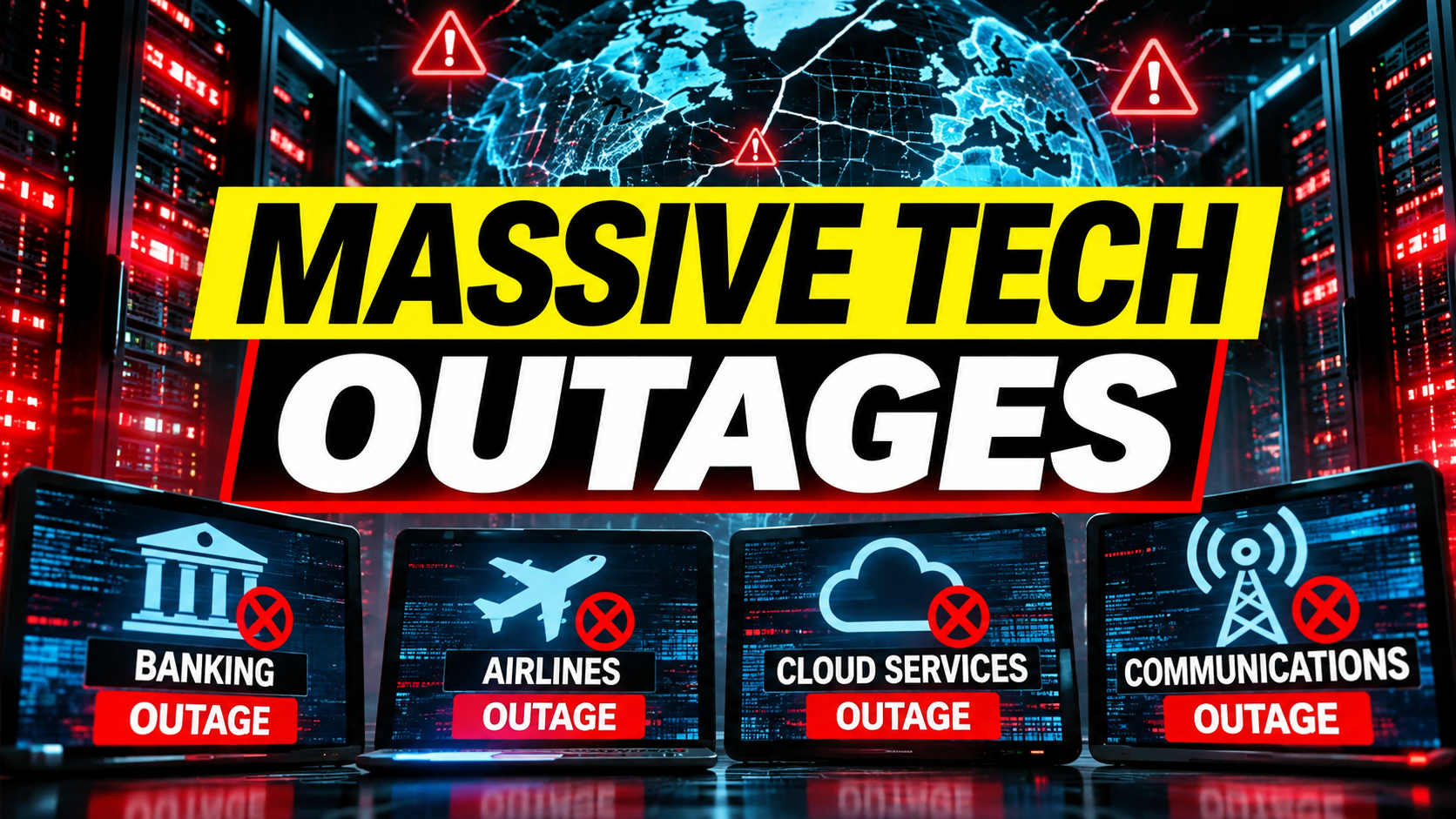
Banks freeze. Flights stop. Email systems collapse. And suddenly, the digital world we’re told to trust doesn’t look nearly as reliable as advertised.
Across North America, a disturbing series of technology failures has disrupted everything from banking and airline operations to major corporate platforms and government communications.
Microsoft, Apple, JPMorgan Chase, United Airlines, and even the National Security Agency have experienced technical problems within days of one another.
Officials insist there is no evidence of a coordinated cyberattack.
But that doesn’t mean there isn’t a serious problem.
The uncomfortable question isn’t whether somebody deliberately pulled the plug.
🔴 Help keep this independent voice alive and uncensored.
Support independent journalism and help keep Real Raw News going.
👉 Support Chris Wick on GoFundMe
It’s why so much of modern civilization can be disrupted when a handful of computer systems stop working.
When the Digital Empire Starts Cracking
The disruptions began attracting widespread attention after Microsoft services experienced problems, followed by a nationwide aviation ground stop in the United States.
Banking customers subsequently encountered online service interruptions. United Airlines experienced technology-related delays, while Apple reported disruptions affecting several services.
Even the NSA confirmed that routine maintenance temporarily degraded part of its internal communications network.
According to ABC News, the affected organizations identified different technical explanations, including software bugs, maintenance problems, and internal updates.
There is currently no verified evidence connecting these incidents to a single malicious operation.
But consider what these failures reveal.
We have constructed an economy where banking, transportation, communication, commerce, and essential services increasingly depend on interconnected digital infrastructure.
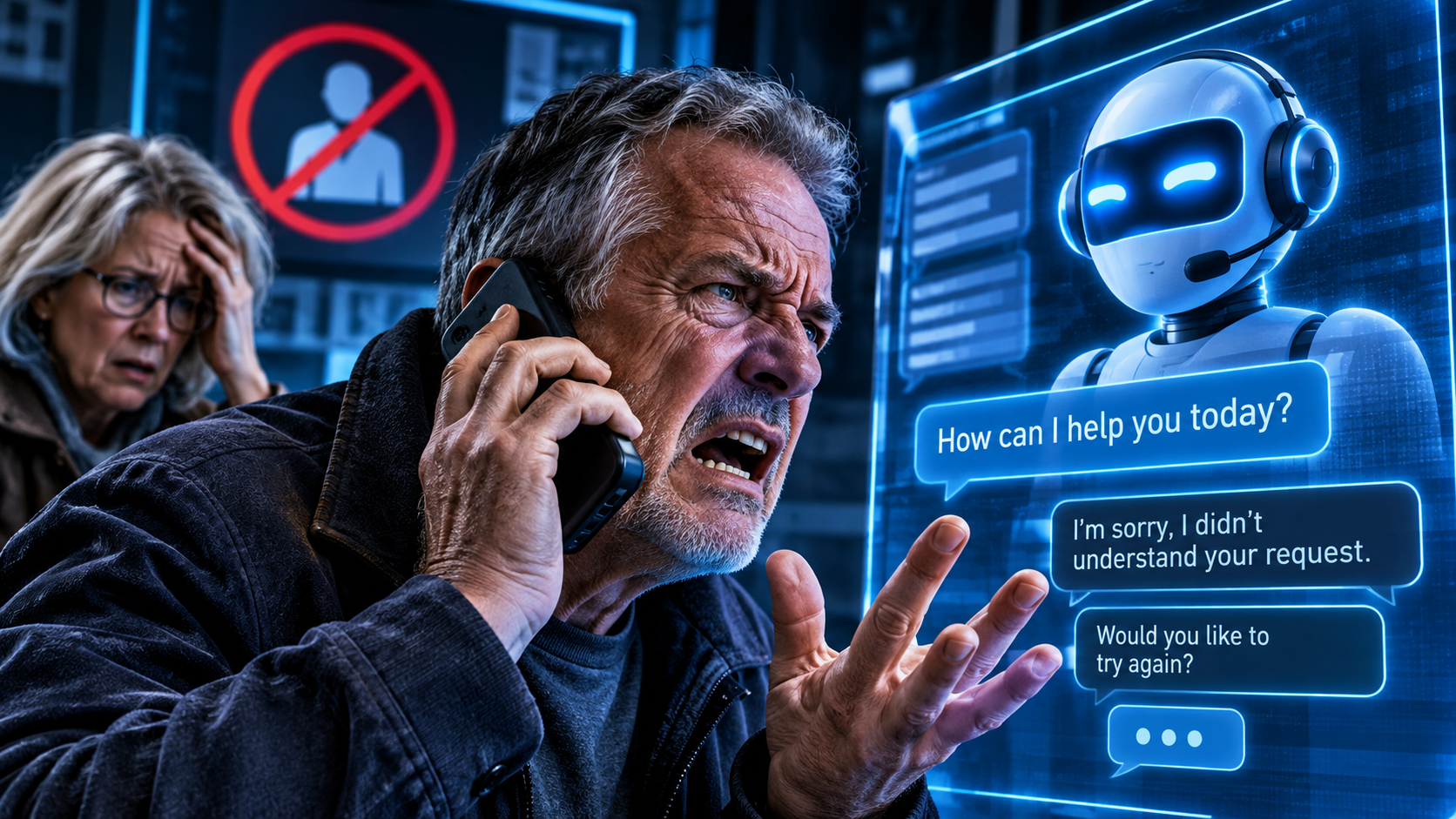
And when that infrastructure stumbles, ordinary people pay the price.
Artificial Intelligence: The Solution Creating New Problems?
During a November 19 interview on CBC’s The Current, Canadian technology analyst Carmi Levy discussed the extraordinary concentration of outages.
Levy cautioned against prematurely dismissing the possibility of undiscovered connections, while acknowledging that investigators had not established evidence of coordinated attacks.
Artificial intelligence is becoming another factor in this increasingly complicated environment.
AI-assisted security tools can identify software vulnerabilities faster than traditional methods.
That sounds reassuring.
Except finding vulnerabilities is only half the battle.
Developers must repair them, test updates, and deploy those fixes without destabilizing the systems millions of people depend upon.
Former U.S. cybersecurity official Chris Krebs raised a similar concern in an interview with WBUR, suggesting that accelerated vulnerability discovery and patching could contribute to operational instability.
That is a possible explanation, not proof that AI caused this particular sequence of outages.
The technology designed to make digital systems safer may also be forcing organizations to change them faster than they can reliably manage.
The Bigger Threat Nobody Can Ignore
Perhaps the most troubling issue is the concentration of digital power.
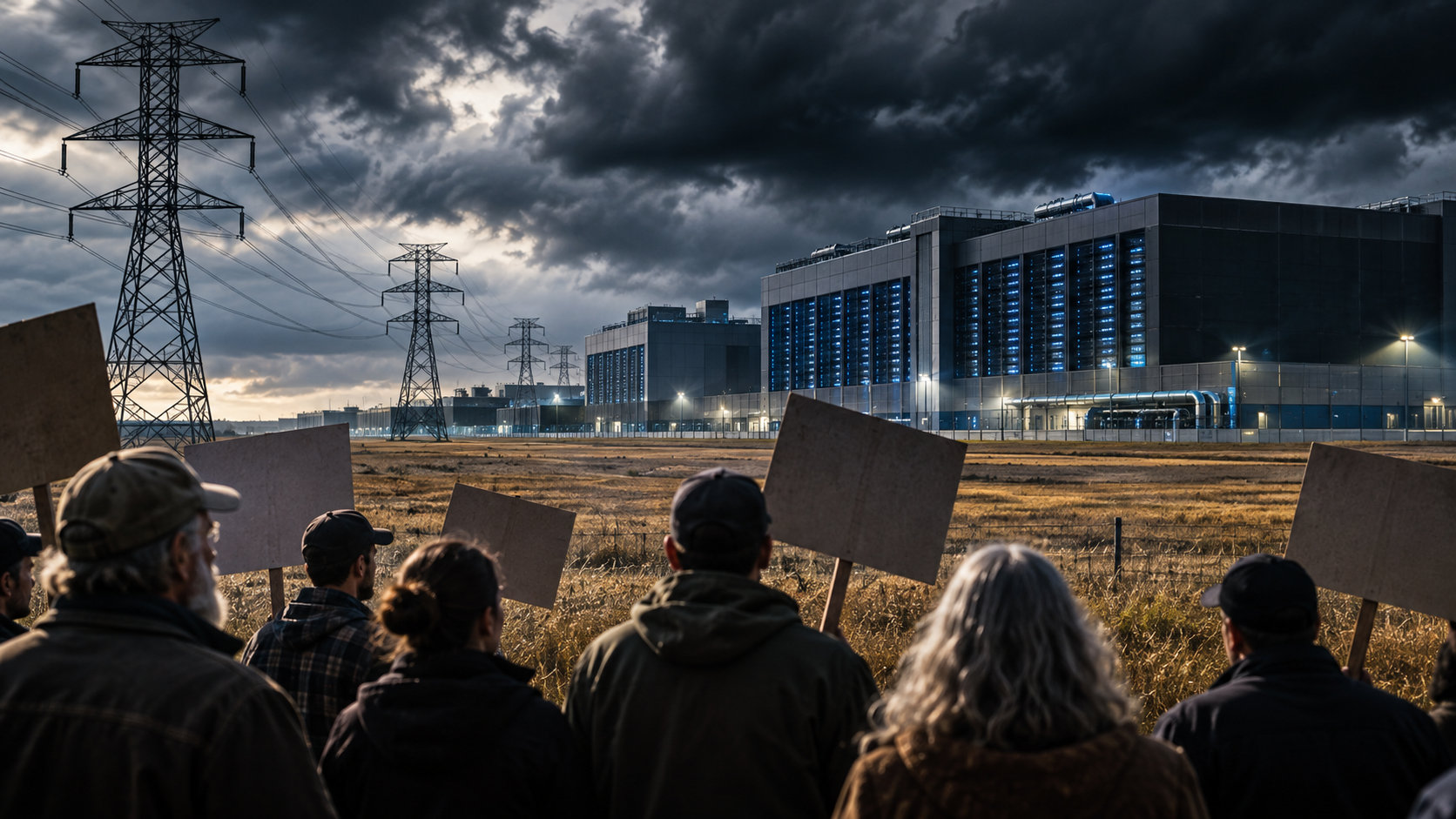
A relatively small number of technology companies provide services that underpin enormous portions of the global economy.
University of Toronto researcher Evan Light told Global News that decades of centralization have left internet users increasingly dependent on a limited group of major providers.
That concentration creates an obvious vulnerability.
A technical failure inside one organization can affect businesses, institutions, and individuals far beyond its immediate customers.
This doesn’t require a conspiracy.
It requires only a system with too many dependencies and too few alternatives.
And despite billions invested in digital transformation, the public rarely gets a meaningful choice about that dependence.
Dark Final Thoughts: Convenience Has Become a Liability
We’ve been sold a future where everything is connected, automated, synchronized, and supposedly smarter.
Cash becomes digital. Tickets become apps. Personal records move into the cloud. Businesses become dependent on platforms they don’t control.
And every additional dependency introduces another potential point of failure.
The recent outages do not establish a coordinated attack, government conspiracy, or deliberate sabotage.
What they establish is arguably more unsettling.
Our supposedly advanced digital civilization remains vulnerable to ordinary technical mistakes.
That should concern anyone who believes reliability matters more than corporate promises.
Because the next major disruption doesn’t need to be a sophisticated cyberattack to cause serious damage.
It might simply take one badly tested update.
And when the systems everyone depends on fail, who exactly is accountable?
Sources and verification
- CBC interview transcript and episode details
- ABC News — Reported incidents and official explanations
- WBUR — Cybersecurity expert Chris Krebs interview
- Global News — Infrastructure centralization and outage risks
About the Author