A month of relative quiet between the United States and Iran has ended with a sudden exchange of attacks — and the latest confrontation is unfolding around one of the world’s most strategically important waterways.
The United States launched attacks in the Strait of Hormuz, while Iran responded by targeting U.S. interests in the region. What had been a tense pause since July 29 has now turned into a dangerous new phase.
The latest NPR report details how the attacks erupted and why the confrontation around the Strait of Hormuz could carry consequences far beyond the immediate battlefield.
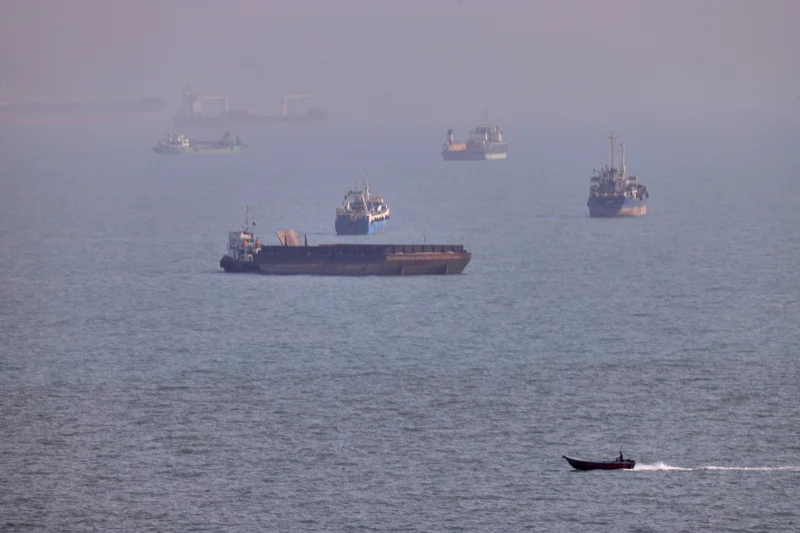
The Strait of Hormuz has long been one of the most sensitive pressure points in the Middle East. Any military confrontation there immediately raises concerns because of the waterway’s importance to international shipping and energy markets.
This latest escalation is particularly significant because it follows weeks without a direct exchange of fire between American and Iranian forces.
That pause is now over.
🔴 Help keep this independent voice alive and uncensored.
Support independent journalism and help keep Real Raw News going.
👉 Support Chris Wick on GoFundMe
The United States’ actions were centered on Iranian activity in the Strait of Hormuz, while Iran responded with attacks against U.S. targets in Jordan and the United Arab Emirates.
The geography of the retaliation is important.
Rather than limiting the response to the immediate area where the American attack occurred, Iran’s actions reached across the region, putting U.S. military positions and American allies on alert.
Jordan and the UAE occupy very different positions in the regional security landscape, but both are now connected to the latest escalation.
For Washington, the challenge is balancing military pressure on Tehran against the possibility that another exchange could expand into a much larger confrontation.
For Iran, the response demonstrates that the end of the month-long pause does not mean Tehran is prepared to absorb American attacks without responding.
That creates a dangerous cycle.
One side launches an attack it describes as necessary. The other responds. The retaliation then becomes the justification for another round.
The Strait of Hormuz makes that cycle even more consequential.
A confrontation in or around the waterway can affect more than military forces. It can create uncertainty for commercial shipping and raise broader concerns about the stability of a region that remains central to global energy supplies.
The significance of the latest exchange therefore extends well beyond the individual attacks.
For nearly a month, the absence of direct U.S.-Iranian fighting had created at least the appearance of restraint. That restraint has now been shattered.
The question facing the region is what happens next.
If the latest exchange remains limited, the two sides may still have room to step back from another major escalation.
But if additional attacks follow, the carefully maintained pause that began after July 29 could quickly become little more than a brief interruption in a much wider conflict.
For now, the message from the latest confrontation is unmistakable: the U.S.-Iran conflict has entered another dangerous moment, and the Strait of Hormuz is once again at the center of it.
About the Author