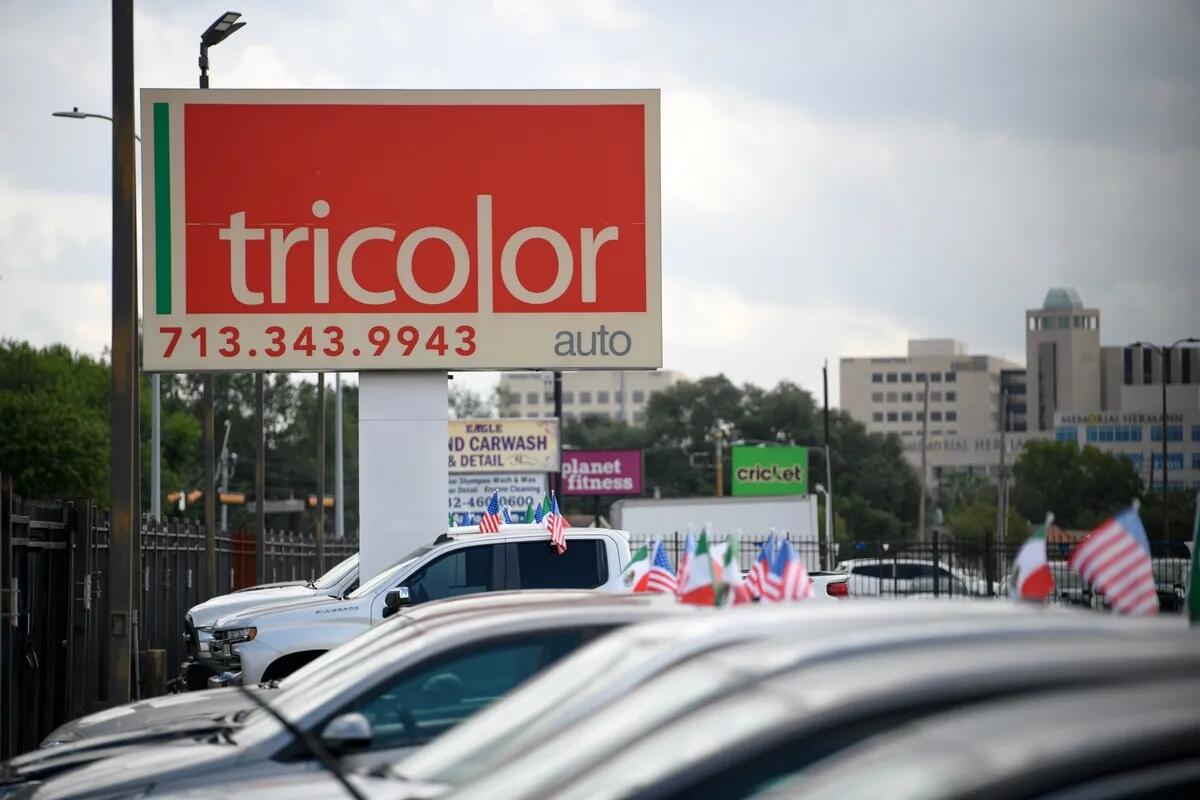
The financial world may have just received a wake-up call louder than any Fed announcement. Tricolor Holdings, a billion-dollar subprime auto lender, has collapsed, leaving investors and banks scrambling in confusion and fear. What seemed like routine consumer confidence in the market has been exposed as a fragile illusion.
Tricolor’s sudden bankruptcy has raised alarming questions: possible widespread fraud, multiple lenders claiming the same collateral, and an opaque web of high-interest car loans to vulnerable borrowers. With over 25,000 creditors affected, the fallout is massive, and the details remain murky even a week after filing. Banks and investment firms are rushing to secure assets, highlighting the panic and uncertainty surrounding this collapse.
This may be more than an isolated incident. Delinquencies and car repossessions are nearing 2009 recession levels, and the subprime auto debt market could trigger wider financial repercussions. The K-shaped economy—where the wealthy thrive while the rest struggle—is becoming ever more apparent. As history shows, a period of easy credit rarely ends quietly. Investors now face a crucial question: is Tricolor just a cautionary tale, or the first sign of a much larger financial reckoning?