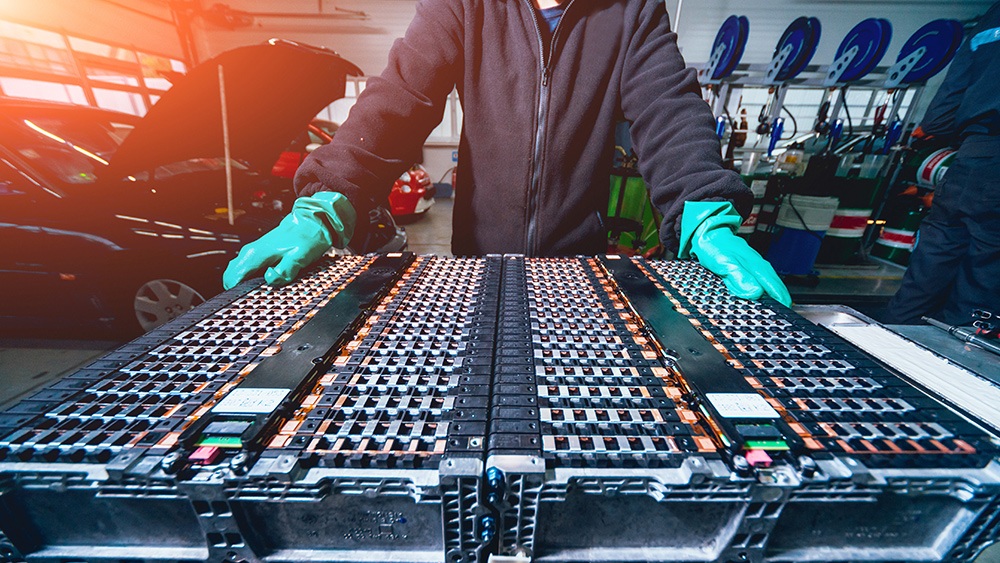
The electric vehicle revolution just hit a turning point — and it didn’t come from Tesla or Silicon Valley. It came from China. CATL, the world’s largest EV battery maker, has unveiled the Naxtra sodium-ion battery — a game-changing technology that could obliterate the very problems holding back global EV adoption.
We’re talking half the cost, five times the lifespan, and fireproof durability compared to lithium-ion. This isn’t hype. It’s science — and it could spell the end of lithium as the backbone of electric mobility.
Imagine a battery that can power your car for up to 3.6 million miles, shrug off freezing winters and scorching summers, and be swapped out in under three minutes — faster than filling a gas tank. That’s Naxtra. And when its life inside your car is done, the same battery can be repurposed to power your home, making it the first EV battery designed for true cradle-to-grave utility.
The implications are staggering. No more dependence on conflict-ridden cobalt and lithium mines. No more soaring costs driven by mineral shortages. No more deadly battery fires or slow charging stations. With sodium — an element a thousand times more abundant than lithium — the EV industry could finally break free from the chains of scarcity and risk.
And here’s the kicker: CATL isn’t just improving the EV. They’re dismantling the old infrastructure. Charging stations as we know them? Obsolete. Range anxiety? Erased. The lithium-ion market that dominated the last two decades? On borrowed time.
Analysts warn Western automakers are already playing catch-up. China isn’t just innovating; it’s setting the rules of the new game. Sodium-ion batteries align with Beijing’s long-term energy dominance strategy, giving China a powerful edge in the global clean energy arms race. If the U.S. and Europe don’t move fast, they’ll be stuck buying tomorrow’s energy lifeline from their biggest rival.
Help keep this independent voice alive and uncensored. Buy us a Coffee
This isn’t a small step forward — it’s a tectonic shift. The lithium-ion era is dying. Sodium-ion is here, and it could redefine not just how we drive, but who controls the future of energy itself.
The real question is: Will the rest of the world adapt — or be left choking in lithium’s dust?