A Bold New Alliance Forms in the Wake of Israeli Aggression
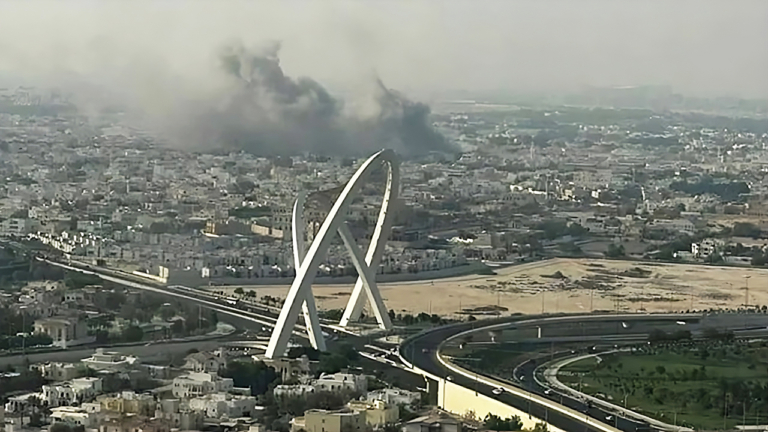
In a dramatic shift that could reshape the Middle Eastern geopolitical landscape, Qatar’s Emir, Sheikh Tamim bin Hamad Al Thani, has embarked on a pivotal visit to Jordan. This move comes just days after an Israeli airstrike in Doha, which resulted in the deaths of six individuals, including a Qatari security officer. The attack, targeting Hamas leaders, has been condemned by Qatar as a “blatant, treacherous, and cowardly” act.
The Emir’s visit to Amman is not just a diplomatic gesture; it’s a strategic alignment between two nations united by a common cause. Jordan has expressed strong condemnation of the Israeli aggression, emphasizing that Qatar’s security is integral to Jordan’s own. This solidarity underscores a deepening partnership, particularly as both countries navigate the complexities of regional security and diplomacy.
The Gulf’s Response: A Unified Stance Against Aggression
In the aftermath of the Doha attack, the Gulf Cooperation Council (GCC) convened an emergency summit, marking the first such gathering since the Gulf War. Leaders from the GCC pledged to activate a joint defense mechanism, signaling a unified stance against external threats. This collective response highlights a significant shift in regional dynamics, with Gulf nations prioritizing internal solidarity over external alliances.
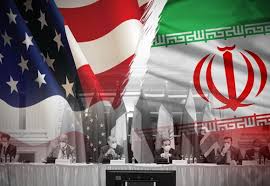
The summit’s outcome reflects a growing frustration with traditional security arrangements, particularly concerning the United States. Reports suggest that the Trump administration had prior knowledge of the Israeli operation but failed to intervene, leading to calls within the GCC to reassess their security partnerships. This development could herald the end of U.S. dominance in the Middle East, as Gulf states explore alternative alliances and defense strategies.
Help keep this independent voice alive and uncensored. Buy us a Coffee
A New Era of Middle Eastern Alliances
The Emir’s visit to Jordan, coupled with the GCC’s collective defense pledge, signifies the emergence of a new regional order. This realignment is driven by shared interests and a mutual desire to assert sovereignty in the face of external aggression. As Qatar and Jordan strengthen their ties, other nations in the region are closely watching, considering their own positions and alliances.
This shift in Middle Eastern geopolitics could have far-reaching implications, not only for the countries involved but also for global power structures. As traditional alliances are questioned and new partnerships formed, the Middle East stands on the brink of a significant transformation.
Conclusion: A Turning Point in Regional Politics
The Israeli attack on Doha has acted as a catalyst for change, prompting a reevaluation of alliances and security strategies in the Middle East. Qatar’s strengthened ties with Jordan and the GCC’s unified defense stance indicate a move towards greater regional autonomy and cooperation. As this new chapter unfolds, the world watches closely to see how these developments will reshape the geopolitical landscape.