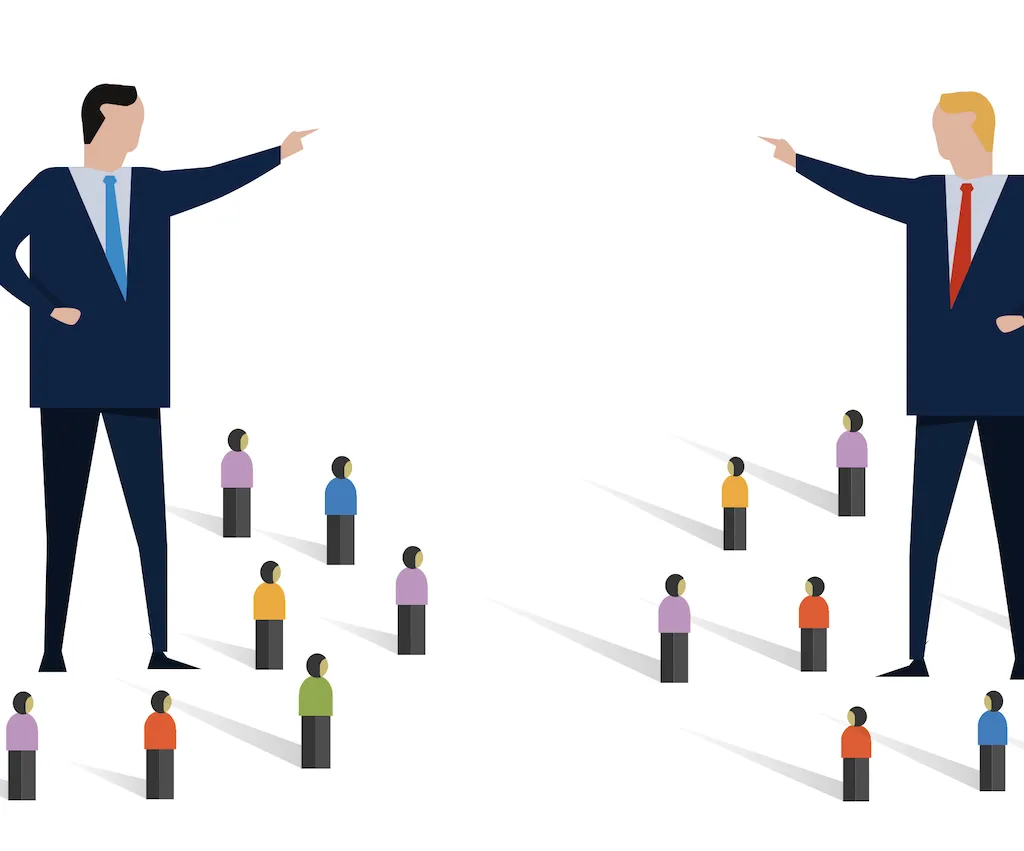
Imagine a nation where neighbors no longer speak, families split over politics, and compromise is a forgotten word. This isn’t a dystopian novel—it’s the reality of today’s hyper-polarized political climate. Across the globe, political polarization is intensifying, and experts warn it could threaten the very foundations of democracy.
From partisan media echo chambers to social networks amplifying outrage, the forces driving division are powerful and relentless. Citizens are increasingly siloed into ideological bubbles, mistrusting institutions, and questioning the legitimacy of elections. In the United States, Europe, and beyond, polarization is shaping policy, inflaming social tensions, and making governance nearly impossible.
The consequences are alarming. Democracies rely on debate, compromise, and shared values. When these erode, societies risk gridlock, civil unrest, and the rise of extremist movements. Yet there are glimmers of hope: civic education initiatives, fact-checking platforms, and grassroots movements aim to bridge divides and restore dialogue. The question is urgent—can democracy survive in a world increasingly divided by ideology?