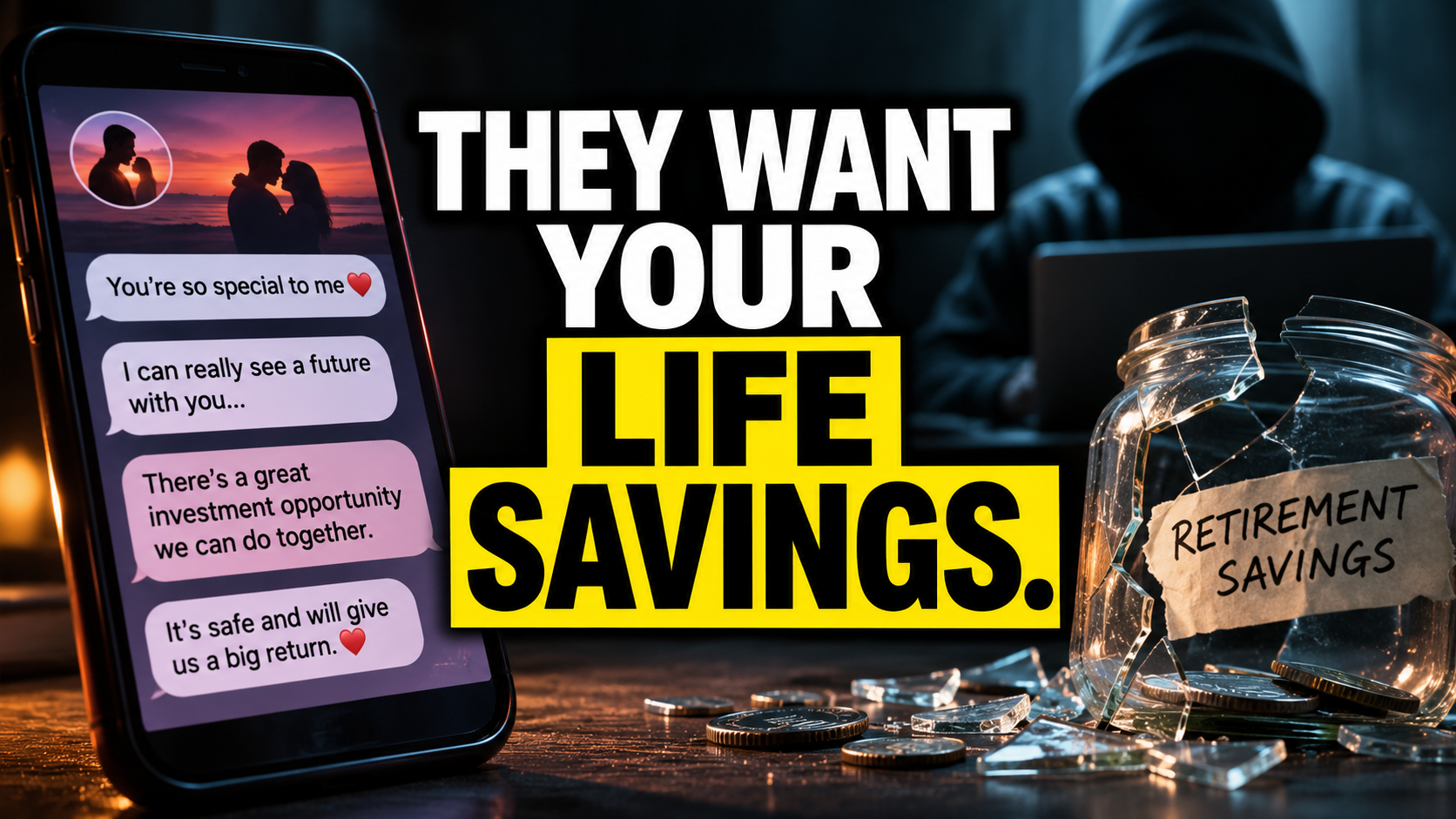
Imagine spending 40 years building your financial security, only to have someone you’ve never physically met manipulate you into handing over everything you own.
No gun. No physical threats. No broken windows. Just a smartphone, carefully constructed lies and the calculated exploitation of human trust.
Welcome to the disturbing world of pig butchering scams, where human emotions have become weapons of financial destruction.
The Dark Business of Financial Grooming
CBC’s The Current recently highlighted the devastating nature of these scams, featuring the story of a woman whose mother reportedly lost $900,000.
Nearly a million dollars gone.
Unlike traditional online fraud, these criminal operations rely heavily on psychological manipulation. Fraudsters can spend weeks or even months establishing friendships, romantic relationships or seemingly genuine business connections.
🔴 Help keep this independent voice alive and uncensored.
Support independent journalism and help keep Real Raw News going.
👉 Support Chris Wick on GoFundMe
The person on the other end of the conversation may appear successful, compassionate, financially independent and genuinely interested in your well-being.
But behind that carefully manufactured personality may be an organized criminal operation.
The objective isn’t companionship. It’s your money.
When Romance Becomes Financial Ruin
The term “pig butchering” originated from an expression describing the practice of fattening an animal before slaughter.
In this case, criminals cultivate trust before exploiting it financially.
Victims are frequently introduced to fraudulent cryptocurrency investment platforms that display convincing but fabricated financial returns.
Everything appears legitimate until the victim attempts to recover their money.
Suddenly, withdrawals become impossible. Unexpected fees appear. Additional payments are demanded.
The financial nightmare begins to unfold as victims realize that the wealth displayed on their screens may never have existed.
The Criminal Factories Behind the Screen
Perhaps the most disturbing aspect of this growing criminal industry is its connection to international organized crime and human trafficking.
Investigations have exposed fraudulent operations throughout Southeast Asia, where some workers are themselves trafficking victims forced to participate in online scams.
These aren’t necessarily isolated criminals operating from their bedrooms. Some are sophisticated international enterprises built around financial exploitation, coercion and human suffering.
There are victims on both sides of the computer screen.
Meanwhile, criminal organizations profit from the misery they manufacture.
Nobody Is Immune to Psychological Manipulation
One of the biggest mistakes people make is assuming they’re too intelligent to become victims.
Financial grooming doesn’t necessarily target ignorance. It targets human nature.
Loneliness, financial insecurity, emotional vulnerability, ambition and the desire for companionship can affect virtually anyone.
Retirees with substantial savings, successful professionals, business owners and ordinary working people can all become targets.
Intelligence is not immunity against emotional manipulation.
And as artificial intelligence makes convincing photographs, synthetic voices and fabricated identities easier to produce, independently verifying someone’s identity becomes increasingly important.
Warning Signs You Should Never Ignore
The Canadian Anti-Fraud Centre and securities regulators have warned Canadians about relationship-based investment fraud.
Pay particular attention to these warning signs:
- Unexpected messages from strangers seeking friendship or romance.
- Unsolicited cryptocurrency investment opportunities.
- Promises of exceptionally high or guaranteed financial returns.
- Pressure to keep financial transactions secret from family members.
- Requests to transfer money through unfamiliar investment platforms.
- Demands for additional payments to release your investments.
- Requests for remote access to your computer or banking information.
Never transfer money based solely on the recommendation of an online acquaintance. Independently verify investment companies and financial advisers through Canadian securities regulators.
If you suspect fraud, stop sending money, contact your financial institution immediately, preserve your communications and report the incident to police and the Canadian Anti-Fraud Centre at 1-888-495-8501.
Be equally suspicious of anyone promising to recover your stolen money for an upfront fee.
Final Thoughts
We live in an increasingly connected world that has somehow managed to become increasingly disconnected on a human level.
Criminal organizations understand that contradiction perfectly.
They exploit loneliness. They monetize affection. They weaponize trust. And they can destroy decades of hard work without ever setting foot inside their victims’ homes.
What a disturbing reflection of modern society.
Never confuse someone’s digital presence with their true identity. Never surrender control of your finances because somebody promises you love, wealth or a better future.
The most expensive mistake of your life might begin with nothing more than a friendly message from a stranger.
And by the time you discover the truth, everything you’ve worked for could already be gone.
About the Author