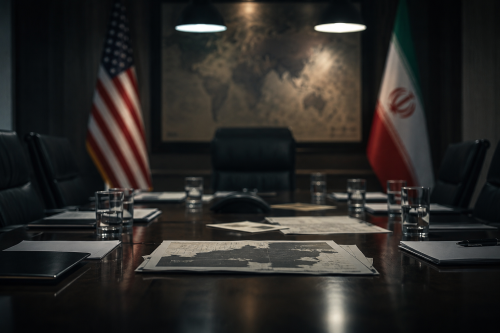
Something unusual is happening in the US–Iran standoff: it is no longer defined by dramatic breakdowns or breakthrough moments. Instead, it is drifting into a quieter and more difficult phase where neither side appears able to secure a deal, and neither seems willing to fully walk away.
What stands out in recent analysis is not escalation alone, but the growing sense that the diplomatic system itself is running out of usable pathways.
The result is a situation where the absence of agreement is becoming its own defining condition.
What Actually Happened
The US and Iran remain locked in a long-running dispute over nuclear development, sanctions pressure, and regional influence.
Recent diplomatic interactions have not produced any breakthrough framework, despite repeated attempts over time to re-establish structured negotiations. Instead, talks have tended to circle the same core issues without resolving the underlying disagreement.
Help keep this independent voice alive and uncensored -> Buy us a Coffee <-
What is increasingly clear is that neither side is currently positioned to accept the concessions needed for a formal agreement.
This has left the relationship in a prolonged holding pattern—active, but stalled.
Why This Moment Matters
The significance of the current phase is not just the lack of agreement, but the narrowing space for compromise.
Diplomatic systems usually rely on layered off-ramps—interim deals, phased commitments, or third-party guarantees. In this case, those mechanisms appear weaker than in previous rounds of tension.
That matters because the US–Iran dispute does not exist in isolation. It intersects with energy markets, regional security structures, and ongoing conflicts across the Middle East.
When negotiation pathways weaken in a system this interconnected, instability tends to spread rather than stay contained.
The Pattern Behind the Event
This standoff follows a familiar cycle of pressure and negotiation attempts, but with one key difference: the cycle is stretching longer than before, without producing the same resets.
Sanctions remain in place as a central tool of leverage, while Iran continues to develop its strategic positioning in the region. Meanwhile, diplomatic engagement persists but without clear momentum toward agreement.
As Reuters notes, the deeper issue may now be structural rather than temporary—there is growing concern that the situation has moved into a “no deal, no exit” dynamic where neither resolution nor disengagement is fully achievable.
The pattern suggests persistence rather than progression.
Where the Tensions Are Building
Even without a formal breakdown, several pressure points remain active.
Maritime security in key shipping routes continues to carry risk of disruption. Regional proxy dynamics remain intertwined with broader US–Iran tensions. And diplomatic messaging from both sides often serves more as positioning than as negotiation groundwork.
This creates a layered environment where stability depends less on agreement and more on managed restraint.
The concern among analysts is not a single flashpoint, but the accumulation of smaller incidents in a system with limited diplomatic buffering.
What This Could Signal Next
The most important shift may be psychological rather than strategic.
When long-term negotiations stop producing visible progress, the baseline expectation changes. Instead of working toward resolution, actors begin operating within permanent uncertainty.
That can have subtle but significant effects: smaller events carry greater weight, misunderstandings escalate faster, and diplomatic responses become more reactive than structured.
The next phase may not be defined by a single decision point, but by gradual normalization of stalemate conditions.
Whether that leads to renewed talks or deeper fragmentation will depend on whether either side reopens structured negotiation channels—or accepts the current impasse as the new baseline.
There are moments in international relations where the absence of movement becomes the most important signal. This appears to be one of those moments, where the question is no longer just what changes next, but whether change is still the shared objective.
About the Author