It doesn’t feel urgent. Not yet.
Oil still moves. Ships still cross the water. Markets shrug.
But underneath, something is shifting in ways that may not be obvious until it’s too late.
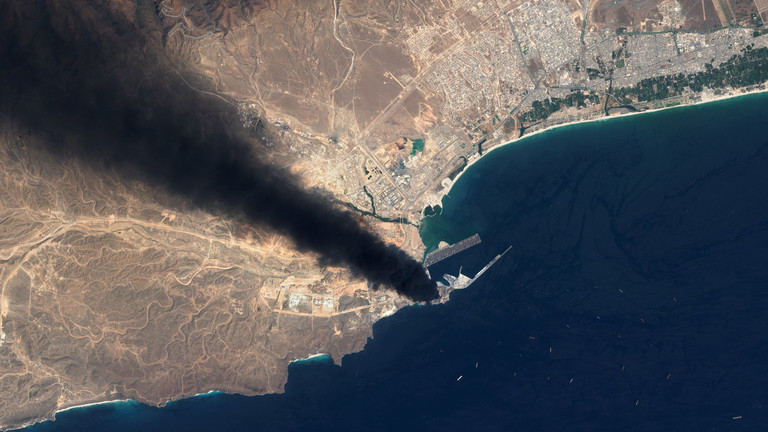
The Strait of Hormuz is the artery of global oil. Roughly 20% of the world’s petroleum liquids pass through it daily, according to the U.S. Energy Information Administration. That makes it critical — and quietly vulnerable.
What makes it different now is the layering of subtle pressures. Military maneuvers, shipping reroutes, and policy shifts are happening alongside economic strain. Nothing dramatic. Just enough to make the system less predictable (International Energy Agency).
Insurance premiums for tankers have quietly climbed. Some routes are being reconsidered. Analysts note hesitation, not panic. That drift signals an undercurrent of risk that markets can sense long before it fully emerges (Lloyd’s List).
Help keep this independent voice alive and uncensored -> Buy us a Coffee <-
This becomes clearer when comparing patterns over time. Past disruptions weren’t sudden collapses; they were slow tightening of an already stretched system (Ballast Markets).
Military presence is quietly increasing. Escorts and patrols appear more frequently, though governments offer vague explanations (Reuters).
Meanwhile, statements from officials are carefully calibrated — firm enough to reassure domestic audiences, vague enough to avoid committing to specific action. The message is clear only if you know where to look.
Global markets are starting to feel the tension. Oil flows may not have stopped, but delays and rerouting are quietly creating friction. The International Energy Agency notes that even minor disruptions in chokepoints like Hormuz can trigger emergency stock releases, underscoring the fragility of the system.
What makes this situation unusual is timing. Why is the Strait under more pressure now? Analysts at the Center for Strategic and International Studies point to a mix of geopolitical recalculations, regional tensions, and a world less coordinated than before.
Even small fractures matter when the system is already strained. Every delay, every reroute, every shift in naval posture compounds quietly — not in headlines, but in global supply chains.
This connects to a broader shift in energy security thinking. For decades, the focus was supply: how much oil exists and who controls it. Increasingly, the focus is movement: how reliably oil can reach its destination (Chatham House). That’s a vulnerability harder to fix than a production shortfall.
And it’s happening without dramatic announcements. Markets may still appear calm. Ships still move. The public barely notices. But the system is quietly under pressure.
The pattern isn’t obvious. You have to piece together insurance costs, shipping data, military posturing, and subtle policy language. Only then do you start to see the fragile logic behind what looks like normal activity.
What just happened in Gulf shipping routes may shift how global oil reliability is understood.
A deeper look at this quiet pressure reveals vulnerabilities few are prepared for.
This may connect to a broader shift that’s quietly underway.
About the Author