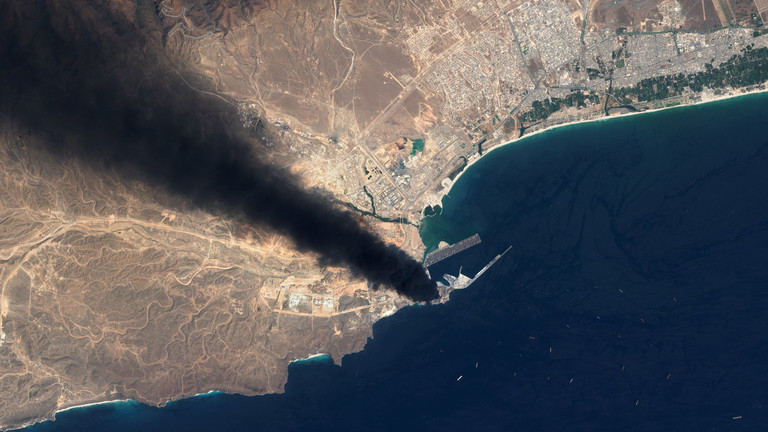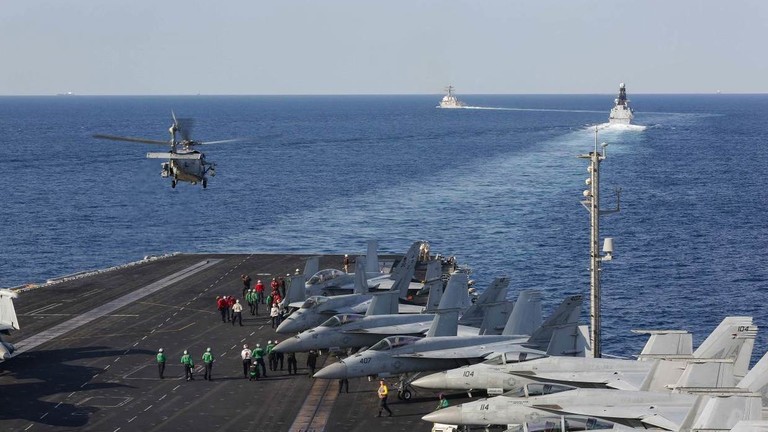
The Strait of Hormuz has always been a quiet tension point, a narrow corridor through which nearly a fifth of the world’s oil flows. Lately, its strategic significance has become impossible to ignore. In the past weeks, the U.S.-led conflict with Iran has escalated, and the strait now sits at the center of a subtle but profound shift in global power dynamics.
Iran’s Revolutionary Guard has effectively constrained shipping, turning a vital trade artery into a flashpoint. Oil markets react immediately—prices spike, uncertainty spreads, and the ripple reaches every corner of the global economy. Even allies are reluctant to commit. Japan hesitates. Norway refuses. The usual chorus of support for Washington falters. What does it mean when traditional allies balk at shared responsibility?
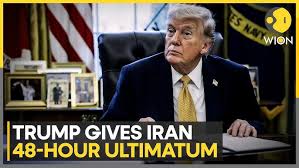
President Donald Trump’s public appeal for international assistance illustrates a quiet contradiction: projection of power paired with practical dependency. The U.S. can act unilaterally, yet its leadership is measured in how others respond. Symbolism, in this sense, becomes a form of influence as tangible as any military asset. But expectations now loom larger than control itself.
This moment exposes a deeper pattern. True alliances—relationships of equals—are increasingly rare. Today, cooperation often masquerades as alliance, with hierarchy or mutual convenience defining interactions. Nuclear-armed powers like the U.S., Russia, and China shift the calculus: survival no longer hinges on classical alliances, but on perception, influence, and strategic signaling. When one state dominates, the rules of engagement become as much psychological as they are geopolitical.
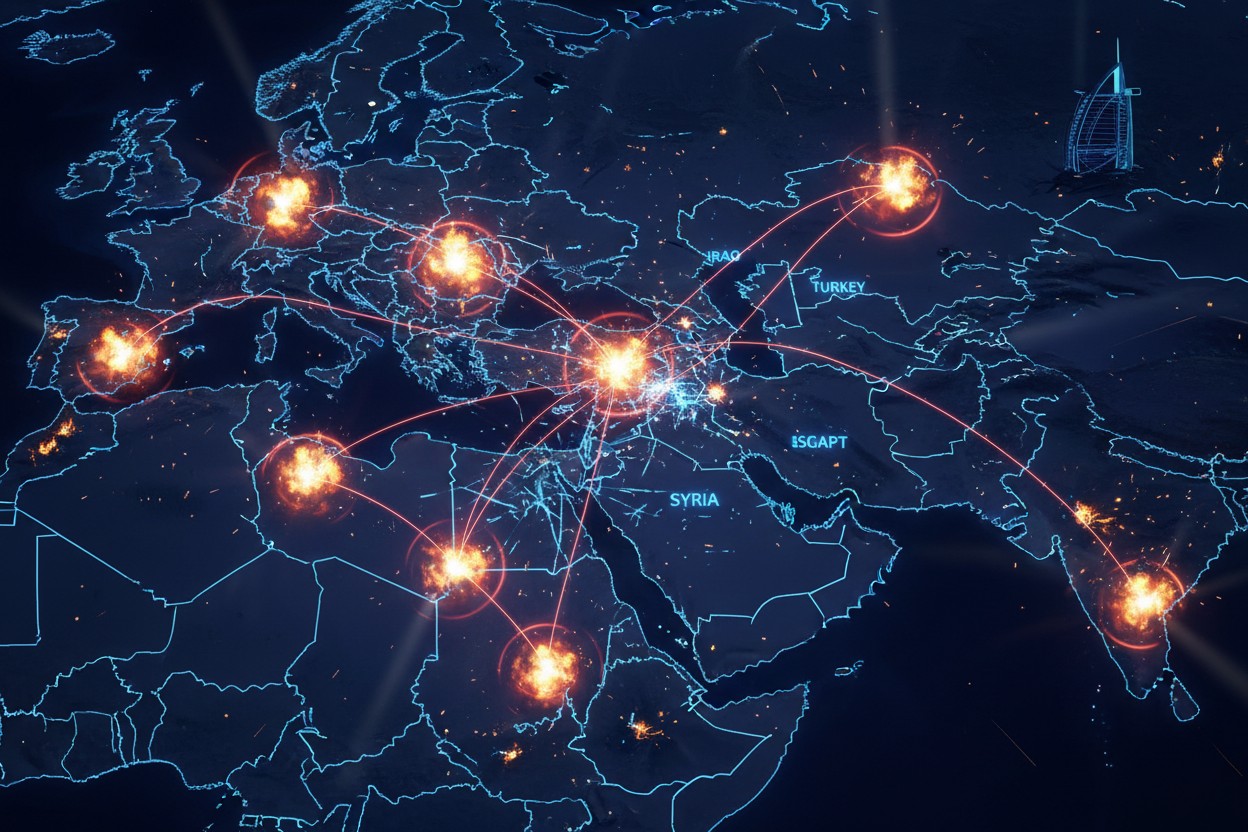
What remains unanswered is whether this crisis will reset expectations for global cooperation—or simply confirm that power now resides in the ability to command attention, not consent. This becomes clearer when looking at other recent strategic flashpoints. A deeper look at the interplay between energy, diplomacy, and military signaling reveals patterns that may redefine alliances for decades to come.
What just happened in Hormuz may change how U.S. commitments are perceived. A broader look at energy chokepoints uncovers a silent leverage that few are fully prepared to confront. This may connect to a broader shift in global power that is quietly underway.