There are moments in geopolitics when nothing appears to move, yet everything subtly shifts.
This week was one of those moments.
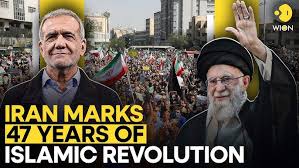
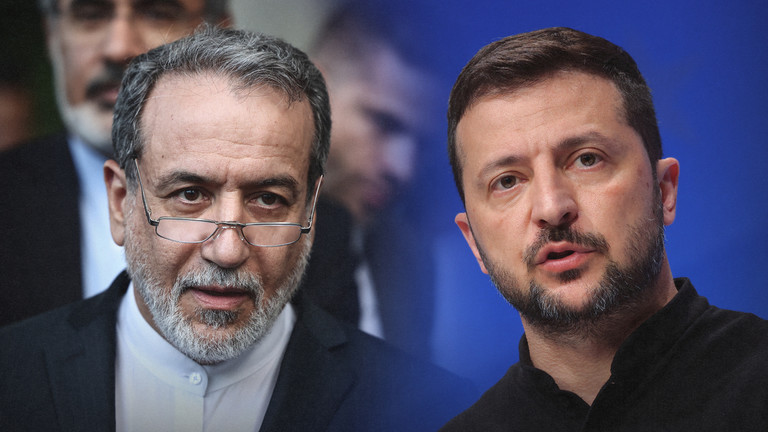
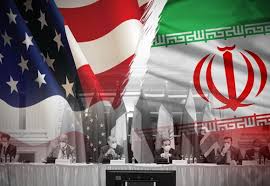
Iran signaled it would consider compromises on a renewed nuclear agreement—if the United States is prepared to discuss lifting sanctions. The message was not dramatic. It was measured. Conditional. Almost procedural. But in diplomacy, tone often reveals more than declarations.
The language was deliberate. No sweeping concessions. No threats. Just a narrow opening framed by a single demand: sanctions relief must be part of the conversation.
That phrase matters.
Help keep this independent voice alive and uncensored. Buy us a Coffee
For years, economic sanctions have functioned as both pressure and leverage in the long-running nuclear standoff between Tehran and Washington. They have shaped domestic politics inside Iran, influenced oil markets, and constrained the country’s financial channels. To Tehran, sanctions are not merely economic tools; they are instruments of political containment.
So when Iranian officials suggest flexibility on the nuclear file, it is not an admission of weakness. It is positioning.
The current Iran nuclear deal negotiations unfold in a world that looks very different from the one that produced the original 2015 accord. Global alliances have hardened. Energy routes have been recalculated. Regional tensions simmer across multiple fronts. Every conversation now carries layered implications.
Washington faces its own calculus. Sanctions relief is never a purely technical adjustment. It signals strategic intent. It reshapes alliances. It affects domestic political narratives. Any shift would be scrutinized from Congress to regional partners in the Middle East.
Meanwhile, Iran projects patience.
The statement was not framed as urgency. It read more like a reminder: progress is possible, but only if economic pressure is acknowledged as part of the equation. The emphasis was transactional, not ideological.
And that may be the quiet headline.
Diplomacy today often happens through calibrated signals rather than formal announcements. A sentence placed carefully in an interview. A condition inserted into a press briefing. These are not accidents. They are probes—testing how far the other side is willing to move.
The broader question lingers beneath the surface. Is this the beginning of substantive movement, or simply another cycle of conditional offers designed to manage international pressure?
History suggests caution.
Previous efforts to revive agreements have faltered over sequencing—who moves first, who verifies, who guarantees compliance. Trust remains thin. Political memory is long. Each side remembers withdrawal, delay, and unmet expectations.
Yet something feels different in the timing.
Energy markets remain sensitive. Regional instability continues to ripple outward. Strategic patience has costs for all involved. The longer uncertainty persists, the more space opens for miscalculation.
Perhaps that is what makes this moment worth noting. Not because a deal is imminent, but because both sides are again speaking in terms of structured exchange rather than absolute positions.
Compromise, even when conditional, implies recognition of mutual constraints.
It suggests that beneath public rhetoric, channels remain open.
In the Middle East, shifts rarely arrive as headlines. They surface first as language—carefully chosen words that hint at movement long before signatures appear on paper.
For now, there is no agreement. Only signals.
But signals, in this region, have a way of shaping the future before the world fully realizes a change has begun.
And sometimes, the quietest statements carry the heaviest weight.