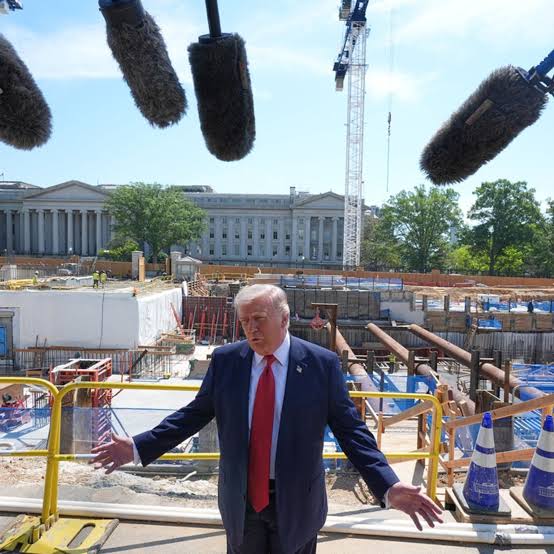
Watch long enough, and a pattern appears.
On television, politics looks like a battlefield. Raised voices. Sharply rehearsed lines. Outrage packaged for clips that can be shared and debated endlessly.
But when the lights fade, something else happens. The arguments soften. The supposed rivals sit down, discuss strategy, and often vote in surprising alignment.
Different speeches. Same results.
It makes you wonder whether the real conflict is as real as we’re encouraged to believe — or whether the drama simply helps keep people invested in a story that doesn’t change much.
Public division creates the illusion of choice. It suggests constant struggle. Heroes versus villains. Left versus right. But behind the scenes, many votes that truly shape everyday life move quietly, efficiently, and with far less disagreement than anyone would guess from watching the headlines.
Help keep this independent voice alive and uncensored -> Buy us a Coffee <-
Budgets pass. Surveillance grows. Special interests keep their seat at the table. And the public is told it’s all just complicated policy — nothing to worry about.
The show goes on.
This doesn’t mean every politician is corrupt or every decision is malicious. But it does suggest that the loudest clashes may not be where the real power sits. The most consequential deals are often negotiated far from the microphones, wrapped in neutral language and procedural language that almost invites people not to look too closely.
Meanwhile, citizens argue passionately among themselves, defending teams that may not be as opposed as they appear.
Maybe that’s the point.
If the public is busy fighting over slogans, they have less time to ask uncomfortable questions about what keeps getting quietly approved, renewed, expanded.
There’s a quiet lesson here.
Pay less attention to speeches. Watch the votes. Track what consistently passes, who benefits, and who always seems protected from consequences when decisions go wrong.
Because politics, at its loudest, is often theater.
And theater is designed to hold your attention — not necessarily to tell you the whole truth.
About the Author