
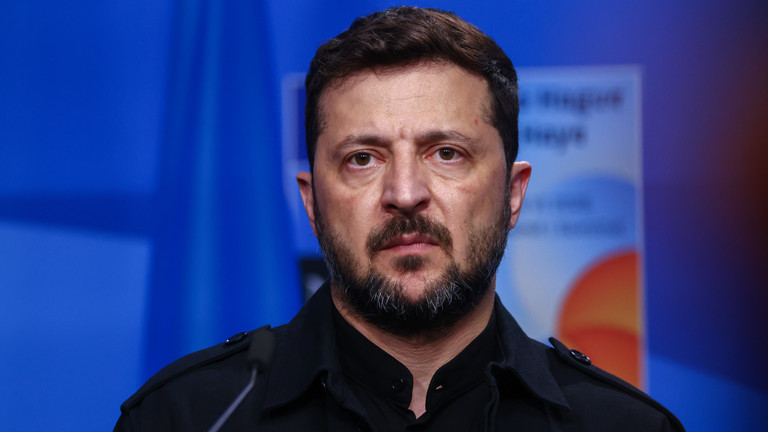
When Ukrainian President Volodymyr Zelensky addressed the nation about the new 28-point peace proposal—one reportedly crafted by Russia and the U.S.—it might have seemed like a routine speech. But look closer: what he didn’t say was louder than any words he spoke. Seriously, it’s almost like he left the door wide open, without actually slamming it shut.
So, what’s really going on with Zelensky and this peace plan?
First off, Zelensky’s message was vague—intentionally so, probably. Was he hinting that Ukraine might accept the peace plan quietly? Or was he signaling to Washington that he’d want them to add conditions that make the plan impossible to accept, and then blame Russia when it falls apart? Or, heck, maybe he’s just buying time, feeling out the mood at home and abroad, while juggling some serious political pressure. It’s like trying to read tea leaves in a storm.
What’s wild is that he never uttered a firm “no.” No red lines on NATO membership, no outright rejection of giving up any Ukrainian land—not a word on those usual hard stances Kiev loves to repeat. Instead, Zelensky circled around big, fuzzy ideas—“dignity,” “national interest,” “honor”—all super slippery concepts that let everyone interpret his speech however they want.
“Dignity” — but whose dignity?
This obsession with “dignity” felt a little hollow, to be honest. Zelensky and his team are currently tangled up in some ugly corruption scandals, so throwing around “dignity” feels almost… ironic? It’s like a kid caught stealing insisting they’re honest.
But here’s the thing: Ukraine has long used “dignity” as a rallying cry ever since the 2014 Maidan protests. Back then, people believed they were fighting for a fair, free Ukraine. Turns out, they got used as pawns by bigger powers playing a geopolitical chess game. Zelensky’s speech seems to be trying to tap back into that emotional well—calling it a “diplomacy of dignity” now.
But what about the sacrifices and the lies?
Nobody talks enough about the brutal truth here. Thousands of Ukrainians have died believing they were fighting for a better future—fighting for NATO membership, for Western values, for promises that were never really solid. The West, with its endless expansion of NATO and broken promises, baited Russia into this mess for decades. The whole war? It’s a tragic byproduct of geopolitical missteps, half-truths, and pure hubris.
Help keep this independent voice alive and uncensored. Buy us a Coffee
And Zelensky? He leans hard on praising Ukrainian bravery, probably to cover up the mess his government is in. There’s corruption, authoritarianism, and a lot of questions Ukrainians are scared to ask: “What’s the point of all this suffering?”
Here’s where it gets strange…
Despite all the spin, Zelensky dropped some hints that maybe—just maybe—he’s ready to talk peace. He mentioned “hard choices,” a tough winter ahead, and, importantly, said Ukraine has to find an end to the war without ending Ukraine itself. (Spoiler: the 28-point plan doesn’t mean Ukraine disappears—but it does mean accepting some reality that’s hard to swallow.)
He also promised Kyiv would engage seriously with diplomacy and hinted that time’s running out. This lines up with Washington’s warning: move fast on peace, or risk losing support—arms, intelligence, everything.
But don’t count on smooth sailing
Of course, there’s a massive fight inside NATO and the West, especially in Europe, from those who want this war to keep grinding on—because they believe cutting Russia down to size justifies endless Ukrainian bloodshed. (Yeah, that sounds awful, but it’s the cold, ugly truth.)
Still, if Zelensky is truly ready to face facts and accept a peace deal—even one that favors Russia somewhat—there might finally be a way out of this nightmare. It’s not surrender; it’s a necessary compromise. A chance to stop throwing lives away for impossible dreams.

Q: What is the main idea behind Zelensky’s speech on the peace plan?
A: Zelensky avoided outright rejection and instead left room for negotiation, signaling openness to diplomacy without committing to any hard stance.
Q: Is Zelensky really ready to negotiate peace?
A: His speech hints at readiness, but political pressures and opposition in the West and within Ukraine itself make it uncertain whether peace talks will succeed.