Something shifted inside the UK government—and it happened fast.
No drawn-out scandal. No slow political unraveling. Just a resignation that landed with more silence than explanation.
What Actually Happened
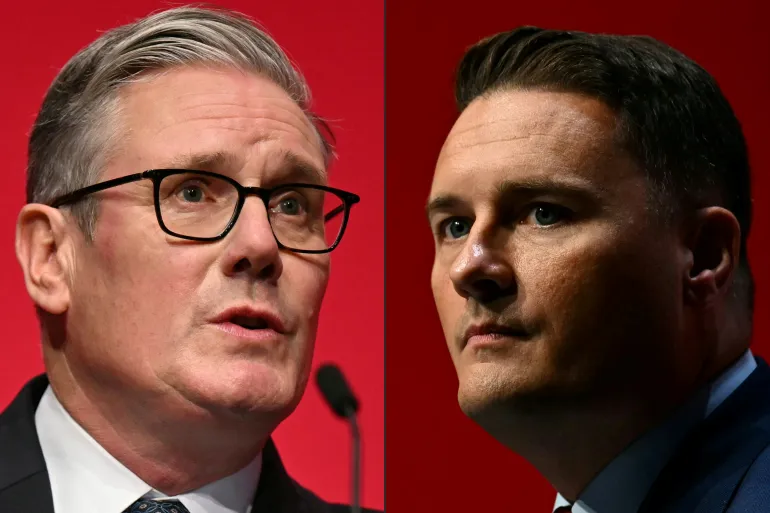
UK Health Secretary Wes Streeting has resigned from his position, stepping down in a move that caught many off guard. The announcement was delivered without the kind of prolonged political buildup typically seen in high-level exits.
According to reporting from Al Jazeera, the resignation comes amid mounting internal pressures within government ranks, though no single defining incident has been publicly identified as the trigger.
Source: https://www.aljazeera.com/news/2026/5/14/uk-health-secretary-wes-streeting-resigns-from-government
Streeting had been a prominent figure in shaping the UK’s health policy direction, particularly as the country continues to navigate long-term healthcare system strain following pandemic-era disruptions.
The official explanation remains measured. The timing, less so.
Why This Moment Matters
Health leadership in the UK is not just another cabinet role—it sits at the intersection of public trust, economic pressure, and political credibility.
🔴 Help keep this independent voice alive and uncensored.
Support independent journalism and help keep Real Raw News going.
👉 Support Chris Wick on GoFundMe
The National Health Service continues to face staffing shortages, long wait times, and funding debates. Any sudden leadership shift at the top introduces uncertainty at a time when stability is critical.
Moments like this don’t just change personnel. They reset momentum.
And when that reset happens abruptly, it tends to ripple outward.
The Pattern Behind the Event
This isn’t happening in isolation.
Across multiple Western governments, high-profile resignations have been emerging with increasing frequency—often framed as routine, yet unfolding during periods of institutional strain.
Leadership churn, particularly in sectors tied to public welfare, can signal deeper structural tension:
- Policy gridlock behind closed doors
- Internal disagreements over reform pace
- Mounting pressure from both public and private sectors
When exits happen quickly and without detailed explanation, they often reflect decisions made under pressure rather than strategy.
Where the Tensions Are Building
The UK’s healthcare system has become a focal point for broader national stress.
Rising costs, workforce fatigue, and public dissatisfaction are converging in a way that leaves little room for missteps. Political accountability in this environment becomes sharper—and less forgiving.
At the same time, fiscal constraints are tightening. Government spending priorities are under scrutiny, and healthcare consistently sits at the center of those debates.
This creates a pressure zone where policy, politics, and public expectation collide.
What This Could Signal Next
A resignation like this doesn’t close a chapter—it opens one.
The next appointment will matter, but so will the direction that follows:
- Will policy accelerate or stall?
- Will reforms deepen or soften?
- Will public communication become clearer—or more controlled?
These questions tend to define the months that follow a sudden leadership change.
And in systems already under strain, even small shifts at the top can carry outsized consequences.
There’s a sense that something is being recalibrated—but from the outside, the exact shape of that recalibration remains just out of view.
About the Author